


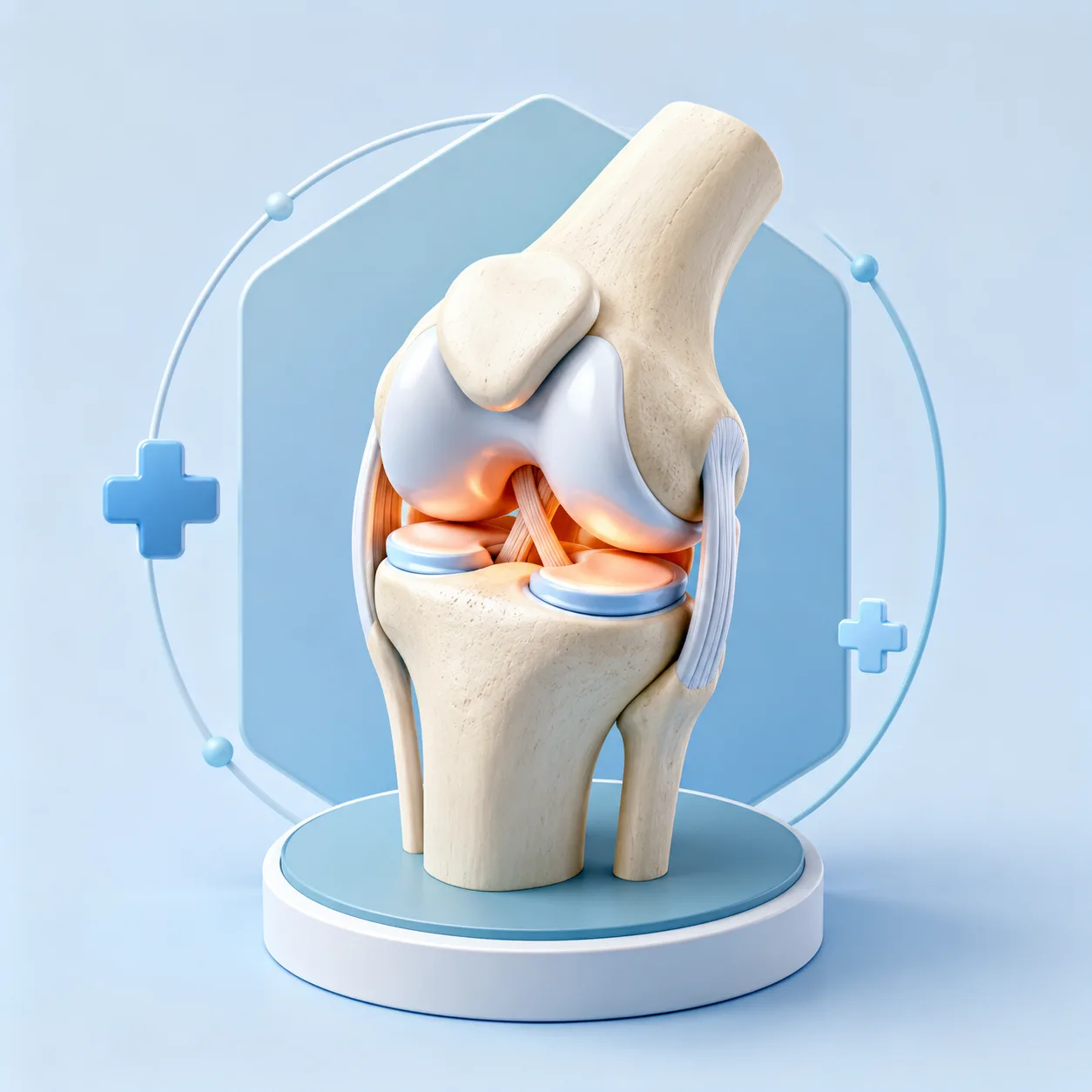
Back pain, joint pain, sciatica, muscle injuries, and chronic musculoskeletal conditions are among the most common reasons people seek medical care — and among the most poorly served by the current primary care model. Waiting weeks for an orthopaedic or rheumatology appointment for a condition that needs assessment today is a structural problem across both public and private healthcare in Romania.
Our doctors, registered with the Romanian College of Physicians (CMR), conduct comprehensive musculoskeletal assessments by secure video call — identifying the underlying cause, assessing functional impact, advising on evidence-based management, and coordinating referral and investigation where clinically indicated. Same day, from anywhere in Romania, in English, Romanian.
Who This Service Is For
This consultation is appropriate for adults with:
- An acute musculoskeletal injury or sudden-onset pain requiring clinical assessment
- Chronic or ongoing pain that has not been adequately assessed or managed
- A known musculoskeletal condition that is flaring and requires timely review
- Pain following an injury, procedure, or period of immobilisation
Musculoskeletal symptoms associated with a chronic condition — diabetes, cardiovascular disease, or inflammatory conditions — that complicate management
A need for physiotherapy referral, imaging requests, or specialist referral coordinated through a clinical assessment
Anyone who has been told "it is normal" or "just rest" without receiving a structured clinical explanation of what is happening and what to do
If you are experiencing sudden, intense pain, chest pain, pain following significant trauma, or any symptom that seriously concerns you — go to the nearest emergency department or call 112 immediately.
Conditions Commonly Assessed
- Spine and neurological
- Acute and chronic low back pain
- Neck pain and cervical spine disorders
- Sciatica and lumbar radiculopathy
- Disc herniation and associated nerve compression symptoms
- Thoracic spine pain
- Joint conditions
- Knee pain — including osteoarthritis, ligament injuries, and patellofemoral syndrome
- Hip pain — including osteoarthritis, bursitis, and referred pain
- Shoulder pain — including rotator cuff injury, subacromial impingement, and adhesive capsulitis
- Wrist and hand pain — including carpal tunnel syndrome and tendinopathy
- Ankle and foot pain — including plantar fasciitis and Achilles tendinopathy
- Elbow pain — including lateral and medial epicondylitis
- Muscle and soft tissue
- Muscle strains and tears
- Soft tissue injuries
- Tendinitis and tendinopathy
- Bursitis
- Sports injuries and activity-related musculoskeletal conditions
- Chronic and systemic conditions
- Osteoarthritis — assessment, management, and referral coordination
- Inflammatory arthritis — assessment and rheumatology referral where indicated
- Fibromyalgia — assessment and integrated management
- Neuropathic pain — assessment and management pathway
- Chronic pain syndromes — structured assessment and care coordination
- Post-injury or post-surgical pain — review and management plan
- Work and lifestyle related
- Work-related musculoskeletal conditions — repetitive strain injuries, postural pain
- Ergonomic assessment and advice
- Sports and exercise-related injury assessment
What Your Consultation Includes
Full clinical assessmentYour doctor takes a detailed history of your pain — onset, location, character, intensity, radiation, aggravating and relieving factors, functional impact, and systematic screening for red flags. Any existing imaging results, investigation reports, or clinical letters are reviewed in full.
Red flag screeningMusculoskeletal assessment always includes systematic screening for red flags — indicators that pain may have a serious underlying cause requiring urgent investigation or referral. Your doctor assesses these as a standard part of every consultation.
Personalised management planBased on the assessment, your doctor advises on the most appropriate approach — which may include structured physiotherapy and rehabilitation referral, imaging requests where clinically indicated, specialist referral where needed, ergonomic and lifestyle advice, and clinical recommendations at the doctor's professional discretion.
Electronic prescription — where clinically appropriateWhen clinically indicated, your doctor issues an electronic prescription through the Romanian Electronic Prescription System (SIPE). You present it at any pharmacy of your choice in Romania.
Note: Special-regime prescriptions covering certain medications cannot be transmitted electronically under Romanian law. Your doctor advises if this applies to your situation.
Referral and investigation coordinationWhen physiotherapy referral, imaging, or specialist input is clinically indicated, your doctor issues the relevant documentation on the same day — so you leave the consultation with a clear clinical pathway, not just a recommendation to figure it out yourself.
Red Flags — When to Seek Emergency Care
Musculoskeletal pain is almost always benign — but some presentations require urgent assessment that cannot wait for a video consultation.
Seek emergency care immediately if your pain is accompanied by:
Any change in bladder or bowel function associated with back pain — incontinence or retention — this may indicate cauda equina syndrome, a surgical emergency
- Significant trauma — fall from height, road traffic accident, or significant impact
- Sudden severe chest pain — which may indicate a cardiac or aortic cause rather than musculoskeletal
- Unexplained weight loss associated with new or worsening pain
- Fever associated with swelling and joint pain — may indicate septic arthritis
- Rapidly progressive neurological symptoms — weakness, numbness, or loss of coordination
- Constant, severe pain that does not respond to any position or movement
If in doubt, always err on the side of caution and seek emergency care.
Why Early Clinical Assessment Makes a Difference
Most musculoskeletal conditions are self-limiting — they resolve with adequate rest, activity modification, and structured rehabilitation. But without clinical assessment, patients frequently either under-treat — returning to activity too early and causing further injury — or over-treat — restricting activity unnecessarily and prolonging recovery.
Early clinical assessment identifies what is actually happening, excludes serious underlying pathology, and provides a structured, evidence-based management plan that allows full functional recovery more quickly and safely than waiting for the situation to resolve itself.
For chronic conditions — osteoarthritis, inflammatory arthritis, fibromyalgia, chronic pain syndromes — early clinical involvement with a structured management plan significantly improves long-term functional outcomes and quality of life.
Musculoskeletal Care in Romania — Access and Waiting Times
Orthopaedic and rheumatology waiting times in Romania are long — particularly in the public system, where waiting times for non-urgent specialist appointments can extend to several months. Private orthopaedic care is available in major cities but concentrated in Bucharest and a small number of regional centres.
For the majority of musculoskeletal presentations — acute injuries, back pain, joint pain, tendinopathies, and chronic pain management — GP-level assessment and management covers the primary clinical need without requiring immediate specialist orthopaedic or rheumatology input. Our service provides this assessment same day, from anywhere in Romania, with referral and imaging coordination where specialist input is genuinely needed.
Physiotherapy in Romania is widely available privately — but most physiotherapists require a referral letter from a doctor. Our doctors issue physiotherapy referral letters on the same day as the consultation, addressed to the physiotherapist or clinic of your choice.
What Is Cauda Equina Syndrome
Cauda equina syndrome is a rare but serious spinal emergency caused by compression of the nerve roots at the base of the spine. It presents as back pain associated with change in bladder or bowel function — including incontinence or difficulty urinating — and requires emergency surgical assessment.
It is mentioned prominently on this page because it can initially be confused with common back pain. If you have back pain associated with any change in bladder or bowel function, go to the nearest emergency department immediately — do not wait for a video consultation, do not wait to see if it resolves.
Frequently Asked Questions
Can a musculoskeletal condition really be assessed by video call?Yes — for the vast majority of presentations. The clinical history is the most powerful diagnostic tool in musculoskeletal medicine and a full history can be taken by video call. Your doctor also observes your movement, posture, and functional capacity during the call. Where physical examination findings that cannot be assessed remotely are needed, your doctor advises on appropriate in-person assessment.
What if I need an MRI or X-ray?If imaging is clinically indicated based on the assessment, your doctor issues a formal imaging request on the same day. You can then book the imaging at a private radiology centre of your choice in Romania — private radiology is widely accessible in major cities and in many regional centres.
Can I get a physiotherapy referral through this service?Yes. Physiotherapy referral letters are issued when clinically indicated — addressed to the physiotherapist or clinic of your choice. Your doctor can advise on what to look for in a physiotherapist for your specific condition.
What is cauda equina syndrome and why is it mentioned?Cauda equina syndrome is a rare but serious spinal emergency caused by compression of nerve roots at the base of the spine. It presents as back pain associated with change in bladder or bowel function. If you have back pain with any change in bladder or bowel function, go to the nearest emergency department immediately — do not wait for a video consultation.
Is this service suitable for sports injuries?Yes. Sports and exercise-related musculoskeletal injuries are a core part of this service — including acute injuries, overuse conditions, and return-to-sport assessment following injury.
I already have imaging results — can the doctor review them?Yes. Bring any existing imaging results, reports, or clinical letters to your consultation. Your doctor reviews them in full and incorporates them into the management plan.
Do I need to have had imaging done before booking?No. Your doctor assesses whether imaging is clinically indicated and requests it where appropriate. If you already have imaging, bring the results — your doctor reviews them in full.
Can I use this service without a registered family doctor?Yes. This service is available to anyone in Romania — no prior registration, no family doctor required, no health insurance needed.
Do I need Romanian health insurance?No. This is a private-pay service. Prescriptions and referrals issued through this service are dispensed and accepted on a private basis regardless of insurance status.