Rosacea is a long-term skin condition that causes flushing, persistent redness and sometimes spots on the cheeks, nose, chin and forehead. It cannot be cured, but rosacea treatment with a cream or gel, and sometimes tablets, can control the symptoms. With Global Health you can request rosacea treatment online in Spain. You complete a secure questionnaire, a doctor reviews your answers, and if treatment is clinically suitable the doctor issues a digital treatment plan that you receive in your Global Health account and can take to a pharmacy in Spain. If it is not suitable, the doctor explains why and suggests what to do next.
What is included
- A review of your medical questionnaire by a doctor
- A treatment plan for an established rosacea treatment, such as a cream or gel, if clinically suitable
- A digital treatment plan in your Global Health account, ready to take to a pharmacy in Spain
- Written advice on how to use the treatment, avoid triggers and what to expect
- Secure messaging with the doctor about your request
The medication is not included and is paid for separately at the pharmacy.
Who this service is not suitable for
Our doctors cannot safely recommend rosacea treatment online if you:
- are under 18
- have eye symptoms such as gritty, sore, red or watery eyes, swollen eyelids, eye pain or changes to your vision (ocular rosacea needs in-person review)
- have thickened, bumpy skin on the nose (rhinophyma) or large painful lumps
- are pregnant, breastfeeding or trying to conceive
- have never been diagnosed with rosacea and are unsure what is causing your redness
- have a facial rash with joint pain, fever, tiredness or sensitivity to sunlight, which may point to another condition
If you have sudden eye pain or loss of vision, seek urgent medical care or call 112. If any of these apply, please book a video consultation with a GP so a doctor can assess you properly.
How it works
- Complete the questionnaire. Answer questions about your skin, general health and any medication you take. You may be asked for photos of your face. It takes about five minutes.
- Doctor review. A doctor reviews your answers against clinical guidance and may message you if more information is needed.
- Treatment plan issued. If treatment is suitable, the doctor issues a digital treatment plan that you receive in your Global Health account and can take to a pharmacy in Spain.
What is rosacea?
Rosacea is a common inflammatory skin condition that mainly affects the central face. It usually starts after the age of 30 and is more often seen in people with fair skin, although it can affect anyone. Symptoms tend to come and go in flare-ups. Early signs include flushing easily, then redness that stays, small visible blood vessels, and a burning or stinging feeling. Rosacea is not contagious and is not caused by poor hygiene.
Types of rosacea
- Redness and flushing. Persistent redness across the cheeks and nose, often with visible blood vessels.
- Papulopustular rosacea. Red bumps and pus-filled spots, which can look like acne but without blackheads.
- Thickened skin. Gradual thickening of the skin, most often on the nose.
- Ocular rosacea. Dry, irritated or inflamed eyes and eyelids.
What causes it and what triggers rosacea?
The exact cause is not known. It is thought to involve the blood vessels of the face, the immune system and tiny mites that live on everyone's skin. Common triggers include sunlight, heat, cold wind, alcohol (especially red wine), spicy food, hot drinks, exercise, stress and some skincare products. Triggers vary from person to person, so keeping a diary can help you find yours.
Rosacea treatment options
The right rosacea therapy depends on your main symptoms:
- Creams and gels. Some reduce the inflammation and spots of papulopustular rosacea. Others narrow the small blood vessels in the skin to reduce redness for several hours after each application. Your doctor will recommend a rosacea cream that suits your symptoms.
- Antibiotic tablets. For moderate to more widespread spots, a course of antibiotic tablets at a dose that works on inflammation may be recommended, usually alongside a cream or gel.
How to use treatment and what to expect
Apply creams and gels as a thin layer to the whole affected area, usually once or twice a day, after gently washing and drying your face. Spots usually improve within a few weeks, but full benefit can take two to three months. Redness-reducing gels work within hours but wear off, so they are used daily. Rosacea often returns, so many people use treatment on and off long term.
Laser and light treatment
Laser or intense pulsed light treatment can reduce visible blood vessels and persistent redness. It is a separate, in-person treatment, usually from a dermatologist or specialist clinic, and is not part of this online service.
Self-care
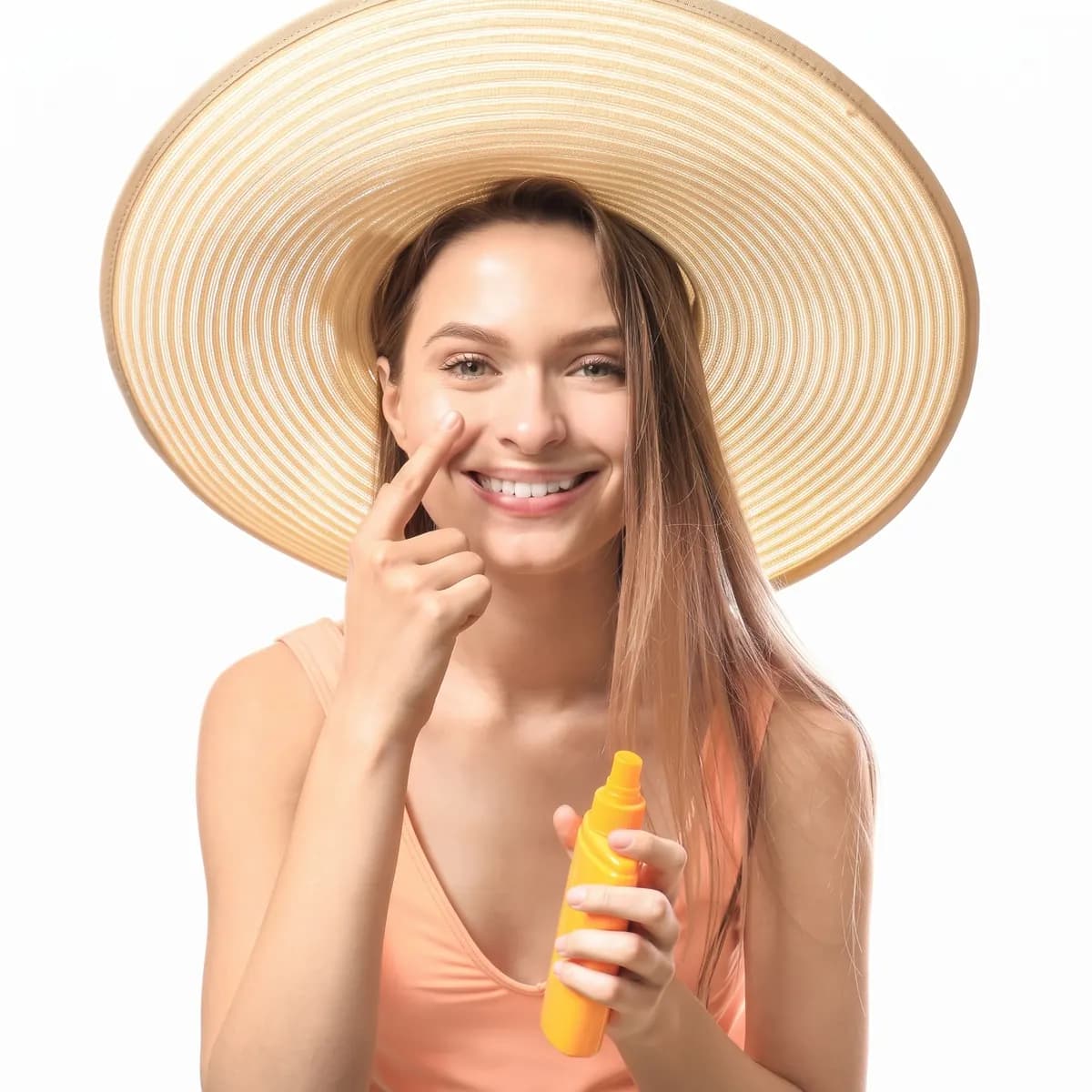
Use a broad-spectrum sunscreen of SPF 30 or higher every day, select gentle fragrance-free skincare, avoid scrubs and alcohol-based toners, and limit your known triggers. Green-tinted make-up can help cover redness.
Side effects and safety
Creams and gels can cause mild stinging, burning, dryness or itching, which usually settles. Redness-reducing gels can occasionally cause redness to return more strongly as they wear off. Antibiotic tablets can cause stomach upset and make the skin more sensitive to sunlight, and some are not suitable in pregnancy or for people taking certain other medicines. Tell your doctor about any medicines you take.
When to see a doctor in person
See your GP or an eye specialist if you have any eye symptoms, and see your GP if your rosacea is not improving after three months of treatment, your skin is thickening, or symptoms are affecting your confidence. You can also meet our doctors or see all online treatment services.