Why Hair Loss Needs Clinical Assessment
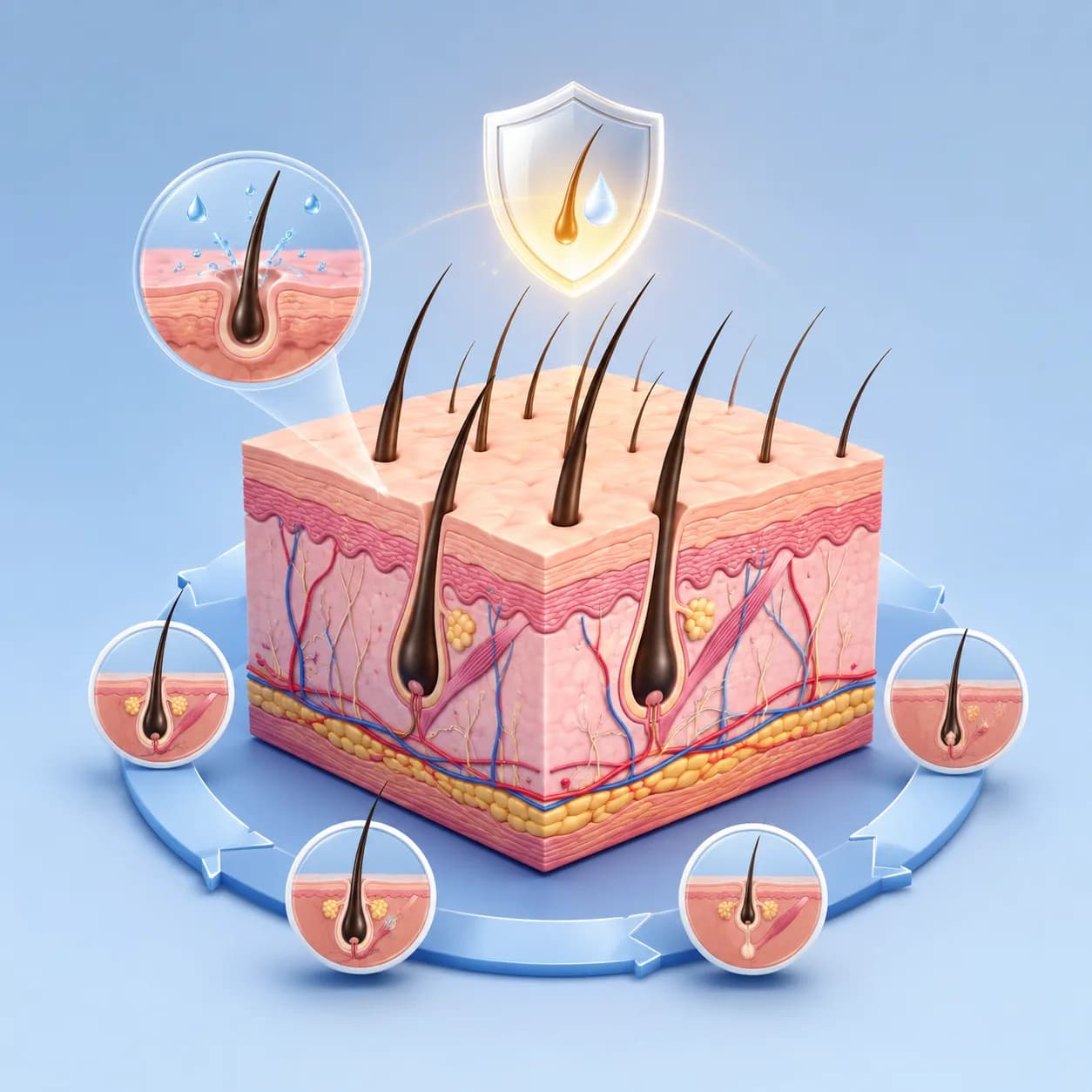
Not all hair loss is the same, and treating the wrong type of hair loss with the wrong approach does nothing at best and can worsen the underlying cause at worst.
Hair loss can result from genetic factors, hormonal changes, nutritional deficiencies, autoimmune conditions, thyroid dysfunction, medication side effects, stress, or scalp conditions, and each requires a fundamentally different management approach. Clinical assessment identifies which type you have before any treatment decision is made.
A doctor who assesses your hair loss properly is not simply confirming what you already suspect. They are ruling out underlying conditions that need to be addressed, identifying factors that are accelerating loss, and advising on what is actually likely to work for your specific presentation.
Who This Service Is For
This consultation is appropriate for adults experiencing:
- Gradual thinning of hair on the scalp: in men or women
- Receding hairline or temple thinning
- Hair loss at the crown or top of the scalp
- Sudden or patchy hair loss
- Diffuse hair shedding: increased hair in the shower, on the pillow, or on a hairbrush
- Hair loss following a significant life event: illness, surgery, childbirth, or severe stress
- Hair loss alongside other symptoms: fatigue, weight changes, skin or nail changes: that may indicate an underlying condition
- Concerns about scalp health: dandruff, seborrhoea, or inflammation affecting hair growth
- Hair loss that has not responded to over-the-counter treatments
Conditions Commonly Assessed
- Male Hair Loss
- Androgenetic alopecia: male pattern baldness, the most common cause of hair loss in men
- Alopecia areata: patchy hair loss with autoimmune basis
- Telogen effluvium: diffuse shedding following illness, stress, or nutritional deficiency
- Seborrhoeic dermatitis and scalp inflammation contributing to hair loss
- Medication-related hair loss: assessment and management
- Female Hair Loss
- Female pattern hair loss: androgenetic alopecia in women
- Telogen effluvium: particularly following childbirth, significant illness, or major stress
- Alopecia areata
- Hair loss related to hormonal changes: PCOS, thyroid dysfunction, menopause, or post-partum hormonal shifts
- Nutritional deficiency-related hair loss: iron, ferritin, vitamin D, B12, and zinc deficiency
- Traction alopecia: hair loss related to styling practices
- Medication-related hair loss
- Both
- Tinea capitis: fungal scalp infection causing hair loss
- Scarring alopecia: requires urgent dermatology referral
- Hair loss as a symptom of systemic conditions: thyroid disease, autoimmune conditions, anaemia
What Your Consultation Includes
Comprehensive Hair Loss AssessmentYour doctor will conduct a detailed review of your hair loss history. Onset, pattern, rate of progression, family history, associated symptoms, current medications, nutritional status, recent life events, and overall health. This structured assessment is the basis for identifying the underlying cause accurately.
Underlying Cause IdentificationHair loss is frequently a symptom of something systemic. Not simply a cosmetic concern. Your doctor will assess for hormonal, nutritional, autoimmune, and medication-related contributors that may be driving or accelerating your hair loss.
Investigation Requests Where IndicatedWhere blood tests are clinically indicated, thyroid function, ferritin, iron studies, hormonal profile, vitamin levels, your doctor will issue investigation requests as part of the consultation, so you can get the answers you need without a separate appointment.
Evidence-Based Management PlanBased on your assessment, your doctor will advise on the most appropriate management approach for your specific type of hair loss, including lifestyle and nutritional optimisation, topical treatments, clinical recommendations at the doctor's professional discretion, and referral where indicated.
Dermatology Referral Where NeededSome hair loss conditions, including scarring alopecia, complex alopecia areata, and presentations that require scalp biopsy, require dermatology specialist assessment. Your doctor will advise clearly if this applies to your case and coordinate referral.
Treatment Options Commonly Discussed
Treatment for hair loss depends entirely on the underlying cause. Your doctor will advise on the most appropriate options based on your clinical assessment. Options commonly discussed include:
- For Male Pattern Baldness
- Topical minoxidil: available over the counter in Ireland, effective for early to moderate androgenetic alopecia
Oral and topical clinical treatment options. Assessed and recommended at the doctor's professional discretion following full evaluation of your health profile, age, and risk factors
- Scalp health optimisation: addressing seborrhoeic dermatitis or inflammation contributing to loss
- Referral for specialist assessment or procedural options where indicated
- For Female Hair Loss
- Nutritional optimisation: addressing iron, ferritin, vitamin D, B12, or zinc deficiency where identified
- Topical minoxidil: evidence-based for female pattern hair loss
- Hormonal assessment and management: where PCOS, thyroid dysfunction, or menopausal changes are contributing
- Clinical recommendations at the doctor's professional discretion based on individual assessment
- Dermatology referral for complex presentations
- For Alopecia Areata
- Assessment and management at GP level for mild presentations
- Dermatology referral for moderate to severe or rapidly progressing alopecia areata
- Autoimmune condition management where relevant
- For Telogen Effluvium
- Identification and management of the triggering cause
- Nutritional assessment and optimisation
- Timeline and expectation management: telogen effluvium is typically self-limiting once the trigger is addressed
- Monitoring and follow-up
All clinical recommendations are made solely at the doctor's professional discretion following full assessment. Treatment options are discussed based on individual clinical presentation and health profile.
A Note on Early Assessment
Hair loss follows a progressive pattern in most cases. Particularly androgenetic alopecia in both men and women. Hair follicles that have been lost for an extended period are significantly harder to recover than those that are thinning but still active.
This is the clinical argument for early assessment: not vanity, but efficacy. The earlier the cause is identified and the appropriate management initiated, the better the outcome. Waiting until hair loss is advanced significantly narrows the treatment options available.
If you have noticed changes in your hair density, hairline, or shedding pattern, even if you are not sure it is significant enough to see a doctor, book a consultation. Your doctor will tell you honestly whether intervention is warranted and what the options are.
Why Patients Choose Us
Confidential video consultationNo waiting room. No face-to-face awkwardness. No receptionist who knows your name. Just a doctor, a secure video call, and a clinical conversation. Completely private.
Underlying cause identified firstWe assess why your hair is falling out before discussing what to do about it. This is the only clinically responsible approach, and it produces significantly better outcomes than starting treatment based on an assumed diagnosis.
Investigation requests coordinated same dayIf blood tests are needed, and for many hair loss presentations they are, your doctor can issue the request on the same day. You can book your blood test immediately rather than waiting for a follow-up.
Irish-registered doctorsAll assessments are conducted by doctors registered to practise in Ireland, operating to full GP-level clinical standards.
Multi-lingualConsultations available in English, Portuguese, Spanish, Czech, and Romanian.