How can you lower blood pressure quickly and safely?
Check for an emergency first, then check the measurement. Do not start with an improvised tablet.
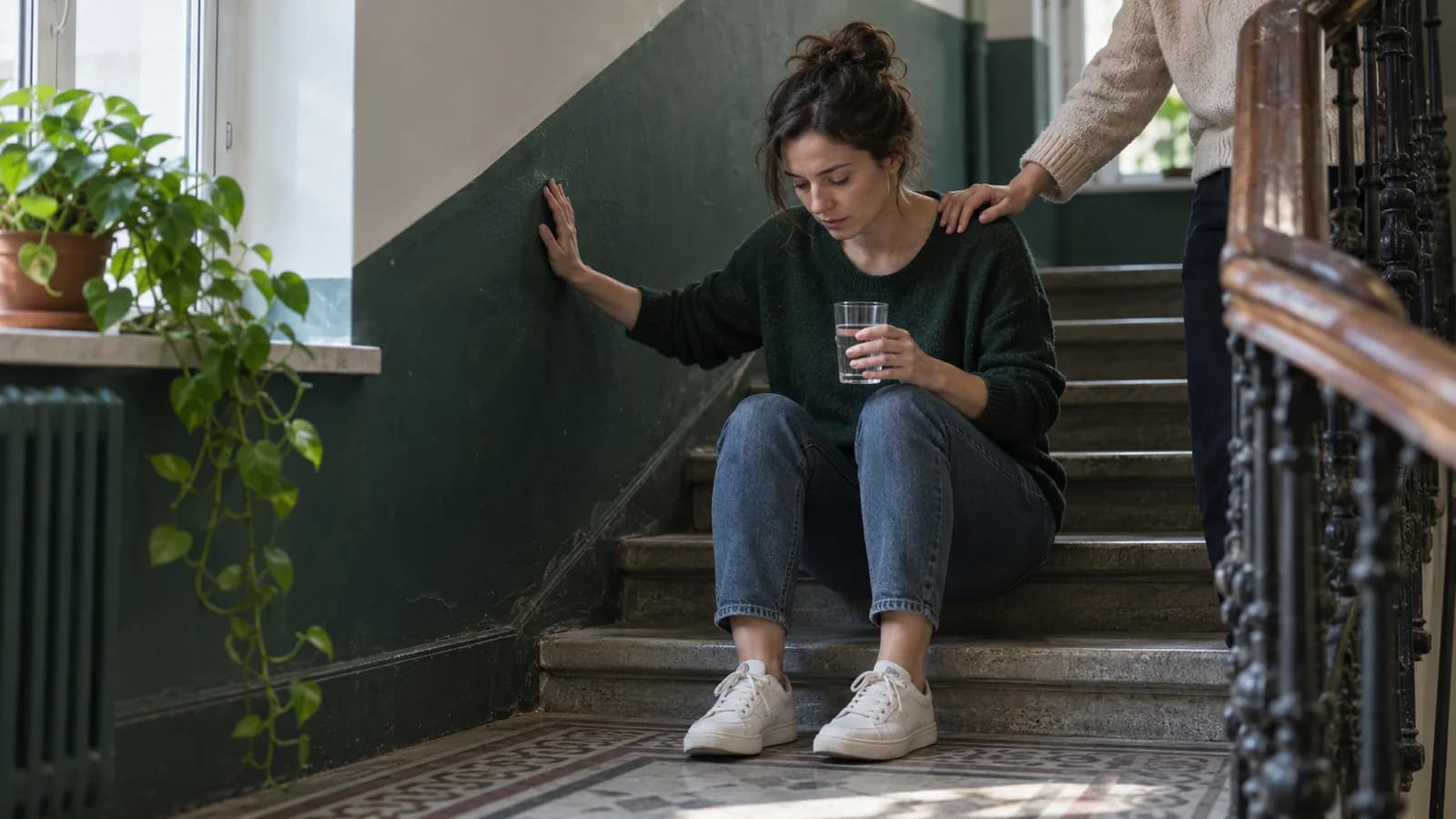
No food, tea or tablet lowers blood pressure quickly and safely for everyone. Call 112 if a high reading occurs with chest pain, severe breathlessness, one-sided weakness or numbness, speech difficulty, confusion, fainting, sudden vision loss or a sudden, unusually severe headache. Do not wait or drive. Without these signs, stop exertion, sit quietly and take two careful readings a short time apart. Do not take extra captopril, someone else’s medicine or a leftover dose without personal instructions.
After a high reading
What you can do straight away without putting yourself at risk
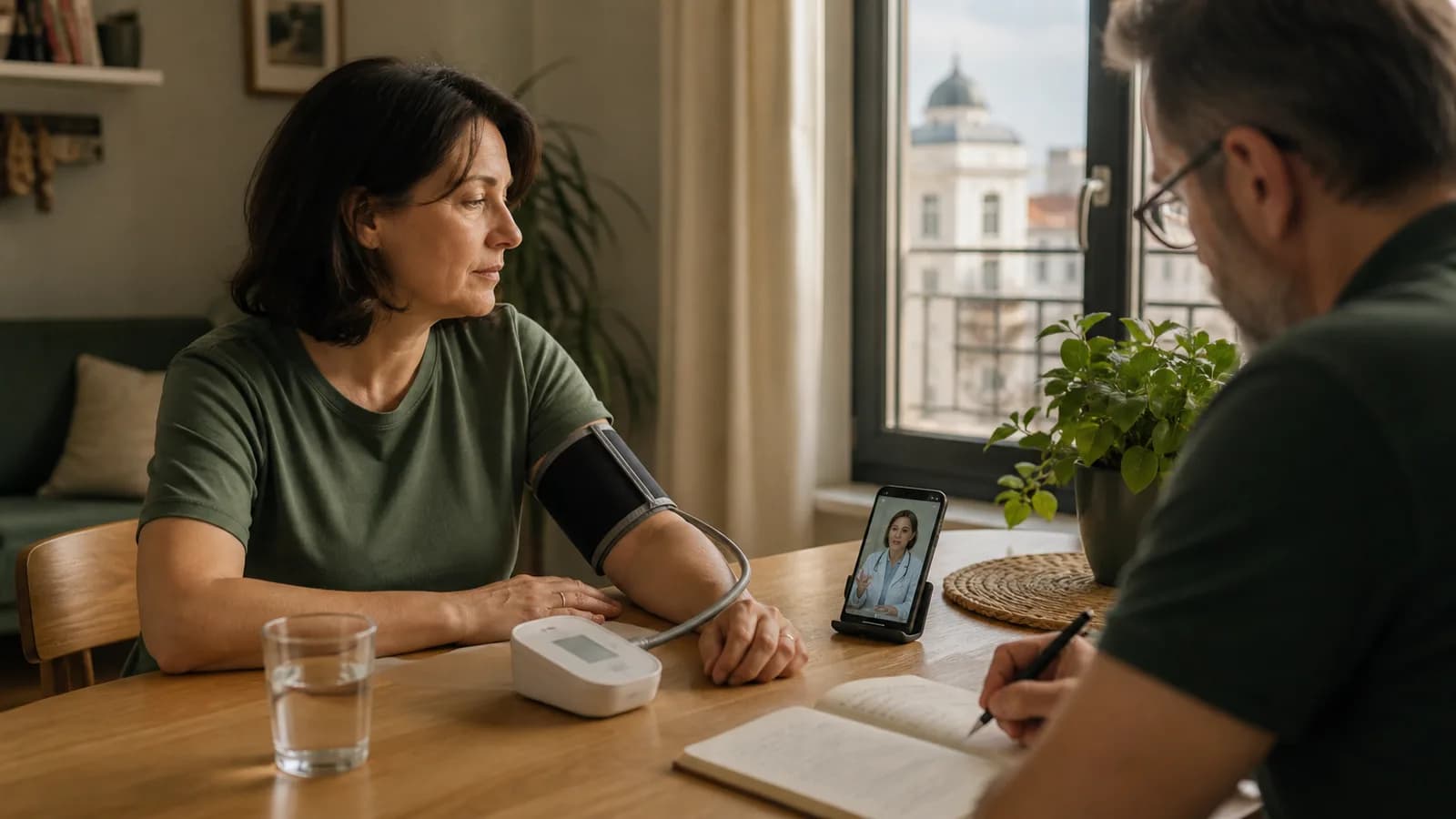
Stop exerting yourself, sit down and check for symptoms before you repeat the measurement.
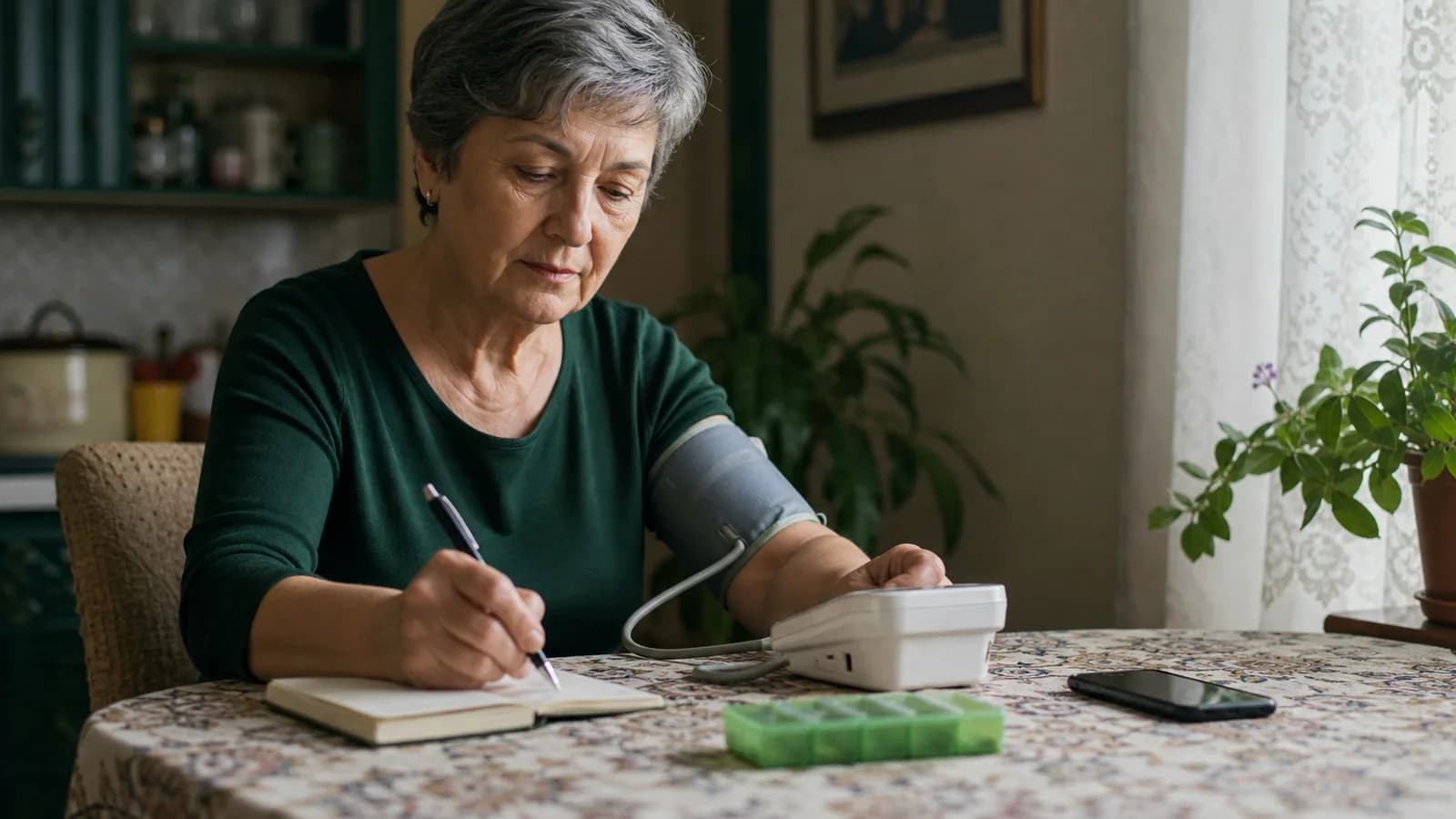
- Support your back, keep both feet on the floor and rest your arm at heart level.
- Use a correctly sized cuff on your bare upper arm and do not talk while the monitor is running.
- After a few minutes of rest, take two readings a short time apart and write them down.
- Record your pulse, symptoms, the time, usual medicines and relevant context such as pain, fever or exertion.
These steps do not treat hypertension. They reduce errors and give a clinician useful information. Do not keep measuring until you see the number you want or record only the lowest result.
If the reading stays around 180/110 mmHg or higher, seek assessment that day to exclude a hypertensive emergency through family medicine, an out-of-hours centre or an emergency department. If you become worse or a warning sign appears, call 112.
Warning signs
When high blood pressure may accompany an emergency
A hypertensive emergency combines very high blood pressure with acute organ injury. At home, you can recognise warning signs but not confirm the diagnosis.
- Chest pain or pressure, especially with sweating, nausea or a feeling that you may faint.
- Severe breathlessness or rapidly worsening breathing.
- A drooping face, weakness or numbness on one side, or slurred speech.
- New confusion, a seizure, fainting or loss of consciousness.
- Sudden loss of vision or an explosive headache unlike your usual headaches.
Call 112, do not drive and note when symptoms began. Have your medication list ready and follow the dispatcher. A lower second reading does not cancel a possible stroke or heart-attack symptom.
Romania’s legal framework for the national emergency-call system defines 112 as the service that receives calls and alerts the appropriate response.
No self-medication
There is no universal reading for taking captopril or an extra dose
Captopril and other blood pressure medicines are used according to each person’s history, test results, other conditions and prescribed treatment.
The same reading can require different decisions in different people. Kidney function, potassium, pregnancy, dehydration and other medicines change the risk. Lowering pressure too quickly may reduce blood flow to the brain, heart or kidneys and cause dizziness or fainting.
Lemon, garlic, vinegar, cold water and herbal teas do not treat a heart attack, stroke or other emergency. Slow breathing may ease anxiety, but a lower reading after rest does not prove the danger has passed. Some herbs interact with medicines.
After the episode
Repeated high readings are usually managed through family medicine
When you are stable and have no warning signs, family medicine is the usual place to start.
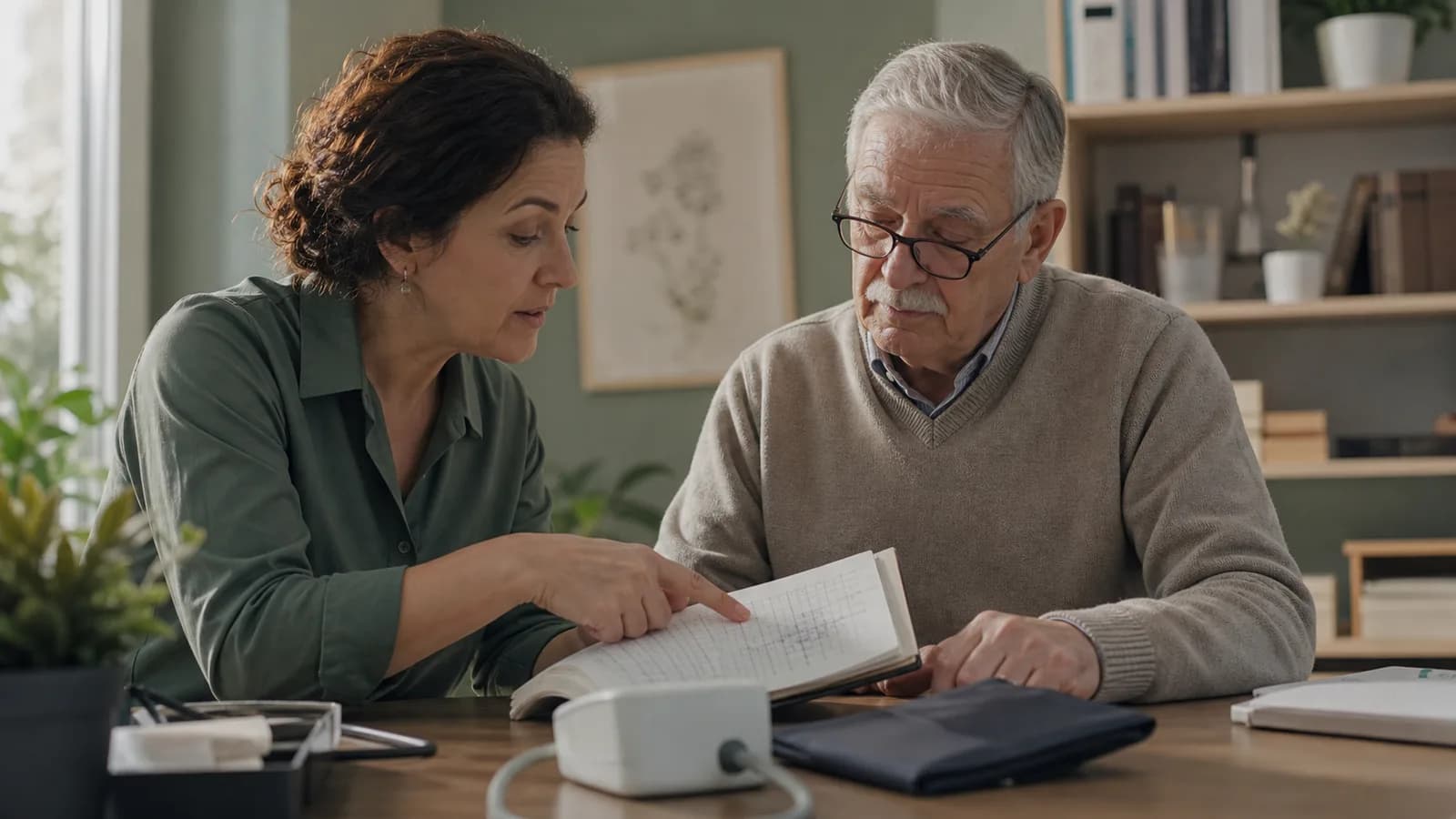
During a chronic-care consultation, a doctor can review your technique, blood pressure log, treatment, missed doses and risks. They may recommend blood tests, an ECG, an in-person examination or ambulatory monitoring.
Cardiology is a later step for known heart disease, abnormal tests, cardiovascular symptoms, resistant hypertension or a family-medicine referral. It does not replace 112 or need to be the first stop for every isolated high reading.
For planned care, view the doctors in Romania or contact Global Health. These are not emergency services.
What helps
What to have ready for a scheduled consultation
Bring your blood pressure log, a complete medication list and any reports you already have.
This information helps the doctor decide whether follow-up in family medicine is enough or whether you need tests, an in-person examination or cardiology.
Global Health Romania
Choose the right next step
Without warning signs, organise your readings and speak to a doctor. With acute symptoms, call 112.
Are your readings repeatedly high, but you feel stable?
Book with your log, medicines and symptoms. A family doctor can decide on tests and cardiology involvement.
Medical sources
Sources for this guide
These sources separate emergency assessment from long-term treatment and provide no universal dose.
Individual decisions depend on history, examination, test results and prescribed treatment.
Frequently asked questions
Questions about lowering blood pressure quickly
What lowers blood pressure immediately at home?
No remedy is safe for every situation. Check symptoms and, if stable, take two careful readings. Call 112 for chest pain, severe breathlessness or neurological signs.
At what blood pressure should I take captopril?
There is no universal number. Take it only if prescribed and according to your personal plan. Never take an extra dose or unprescribed medicine.
Will lemon, garlic or tea lower blood pressure quickly?
They do not treat an emergency. Rest may coincide with a lower reading but does not cancel serious symptoms; some herbal products interact with medicines.
When is a scheduled consultation enough?
When stable, without warning signs, and repeated high readings need assessment. If a reading remains around 180/110 mmHg or higher, seek same-day assessment through family medicine, an out-of-hours centre or an emergency department; add cardiology for a clinical reason.