Low blood pressure: causes, what to do right away, and when to see a doctor
A blood pressure of 90 over 60 in someone who feels fine isn't something to treat. The same reading with dizziness, blurred vision, or fainting has causes that can be found.
Low blood pressure, meaning under 90/60 mmHg, isn't a disease in itself. If you have no symptoms, the guidelines are clear that it doesn't need treatment. The problem appears when blood pressure drops by 20 mmHg or more on standing up and brings on dizziness, blacked-out vision, or fainting. In that case, the right response on the spot is to sit or lie down with your legs raised, drink water, and cross your legs while tensing your muscles. Sugar water, vitamins, and teas don't appear in any guideline. Fainting with chest pain, laboured breathing, or confusion means calling 112.
Definitions
What low blood pressure means, and when it matters
The same term covers two different situations, and only one of them needs treatment.
The first is constantly low blood pressure, under 90/60 mmHg, in someone who feels fine. The NHS and NHLBI say the same thing: with no symptoms, it usually isn't treated. The second is orthostatic hypotension: the European guideline defines it as a drop in systolic pressure of at least 20 mmHg, or in diastolic pressure of 10 mmHg, within the first 3 minutes after standing up. This is what causes the dizziness on getting out of bed and the blackout in front of your eyes, and this is the one worth investigating.
ESC 2018 guideline for syncope, NHS: low blood pressure, NHLBI. Accessed 7 September 2026.
Where it comes from
Common causes of low blood pressure
Most causes are minor and reversible. A few aren't, which is why the list is worth going through.
- Low fluid intake: dehydration, heat, diarrhoea, vomiting. The most common cause in summer.
- Medications: diuretics, vasodilators, some antidepressants, heart and blood pressure medications, some sedatives. Check what you've started recently.
- After a meal: postprandial hypotension, especially in older adults and after large meals.
- Standing for long periods, prolonged bed rest, alcohol.
- Pregnancy, especially in the first two trimesters.
- Heart: heart failure, arrhythmias, heart attack.
- Nervous system: diabetes with nerve damage, Parkinson's disease.
- Addison's disease (adrenal insufficiency), where blood pressure drops mainly on changing position.
- Bleeding or severe infection: low blood pressure with a fast pulse, cold, clammy skin. An emergency.
The European guideline
What to do when you have low blood pressure and feel dizzy
The steps below come from the ESC guideline and NHS recommendations. They work within minutes and cost nothing.
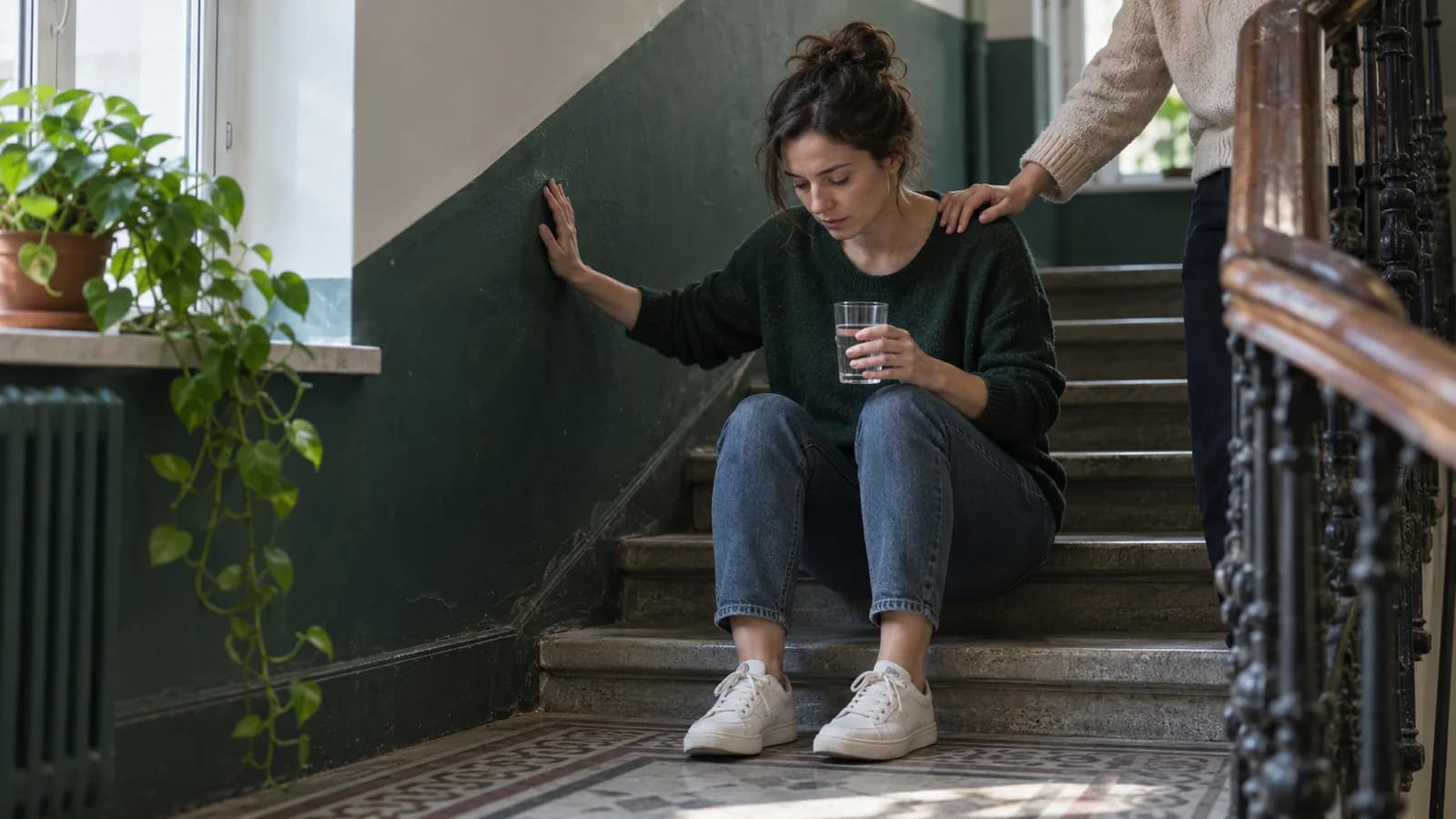
- Sit or lie down immediately, with your legs raised above heart level. If you can't, sit with your head between your knees.
- Counter-pressure manoeuvres: cross your legs and tense your thighs and buttocks, clench your fists, rise onto your toes. The guideline rates these class IIa, meaning recommended.
- Drink water. The guideline mentions rapid water intake; adequate hydration carries the same class of recommendation.
- Get up slowly, in stages: sit on the edge of the bed, then stand, with support.
Long term, for confirmed orthostatic hypotension, the guideline recommends 2–3 litres of fluids a day, extra salt only on a doctor's advice, compression stockings, sleeping with the head of the bed raised, and cutting back on medications that lower blood pressure. Midodrine and fludrocortisone exist, but they're a specialist's decision.
Sugar water, vitamins, teas
What actually raises low blood pressure, and what only seems to
The remedies most people look for don't appear in any European guideline. They aren't dangerous, but they don't do what people think either.
- Sugar water: the guidelines recommend water; sugar doesn't appear anywhere. Plain water does the same job.
- Coffee: a 2021 systematic review found only very small studies with inconsistent results, and recommends caffeine only after evidence-based treatments have been exhausted. It isn't a treatment.
- Vitamins: no vitamin appears in the guidelines as a treatment for low blood pressure. If the hypotension comes from anaemia or an endocrine condition, the underlying cause is treated, after testing.
- Teas, chocolate, extra salt: no evidence. The ESC guideline allows for increased salt intake only as a doctor-directed measure, in selected patients.
Clinical Autonomic Research 2021, caffeine in orthostatic hypotension; Gov.ro: the 112 emergency service.
Not an emergency, but worth an appointment
When to see a doctor for low blood pressure
When the dizziness keeps recurring, when you've fainted once with no explanation, or when the low blood pressure appeared alongside a new medication.
A family doctor or general practitioner can do the three things that matter: measuring blood pressure lying down and standing up, reviewing your medication list, and a basic set of tests, full blood count, blood glucose, thyroid function, electrolytes, plus an electrocardiogram. In an online doctor consultation with Global Health, you can go through your history and medication list and get referrals for tests. The standing measurement and the ECG still need to be done in person.
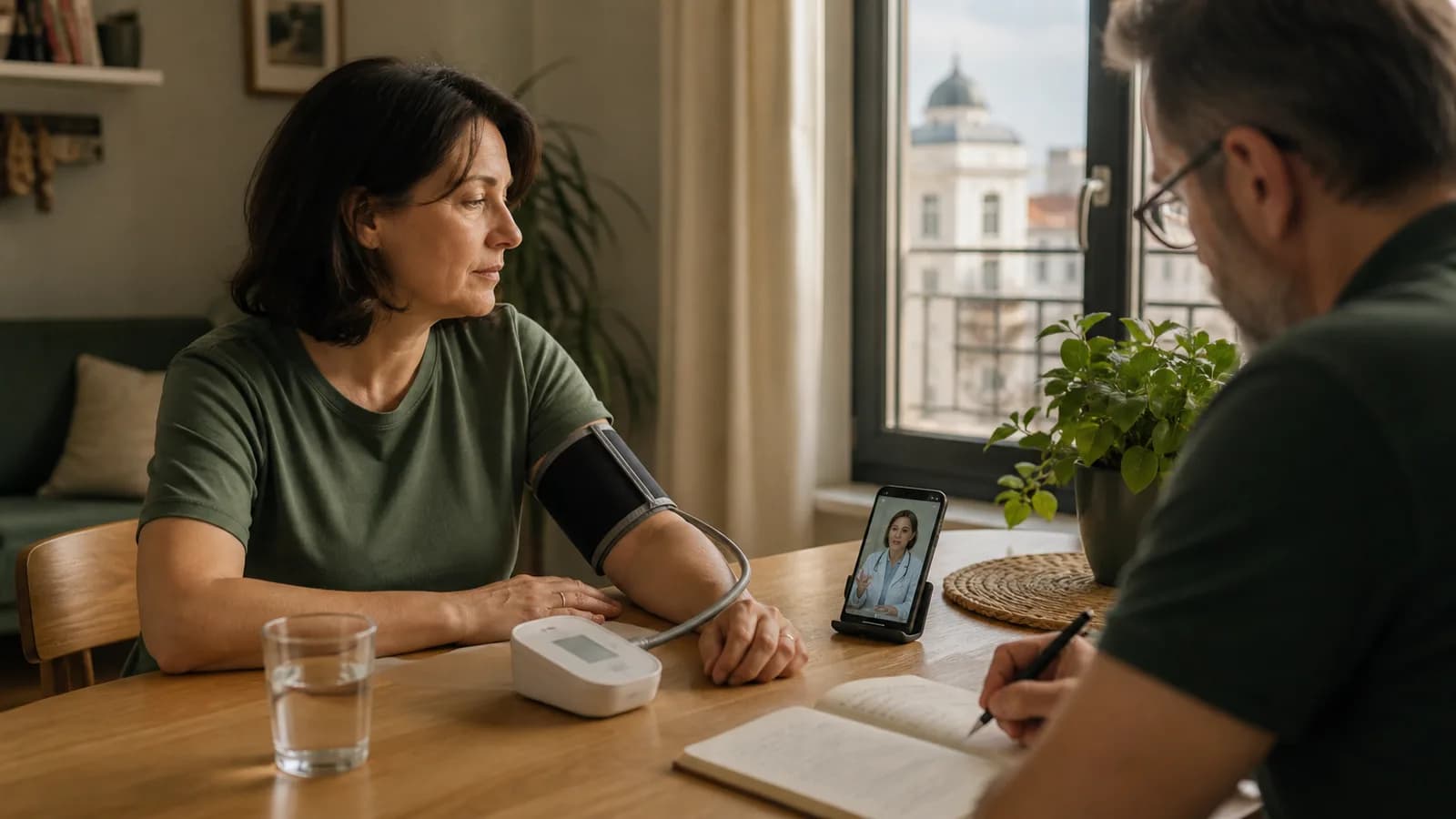
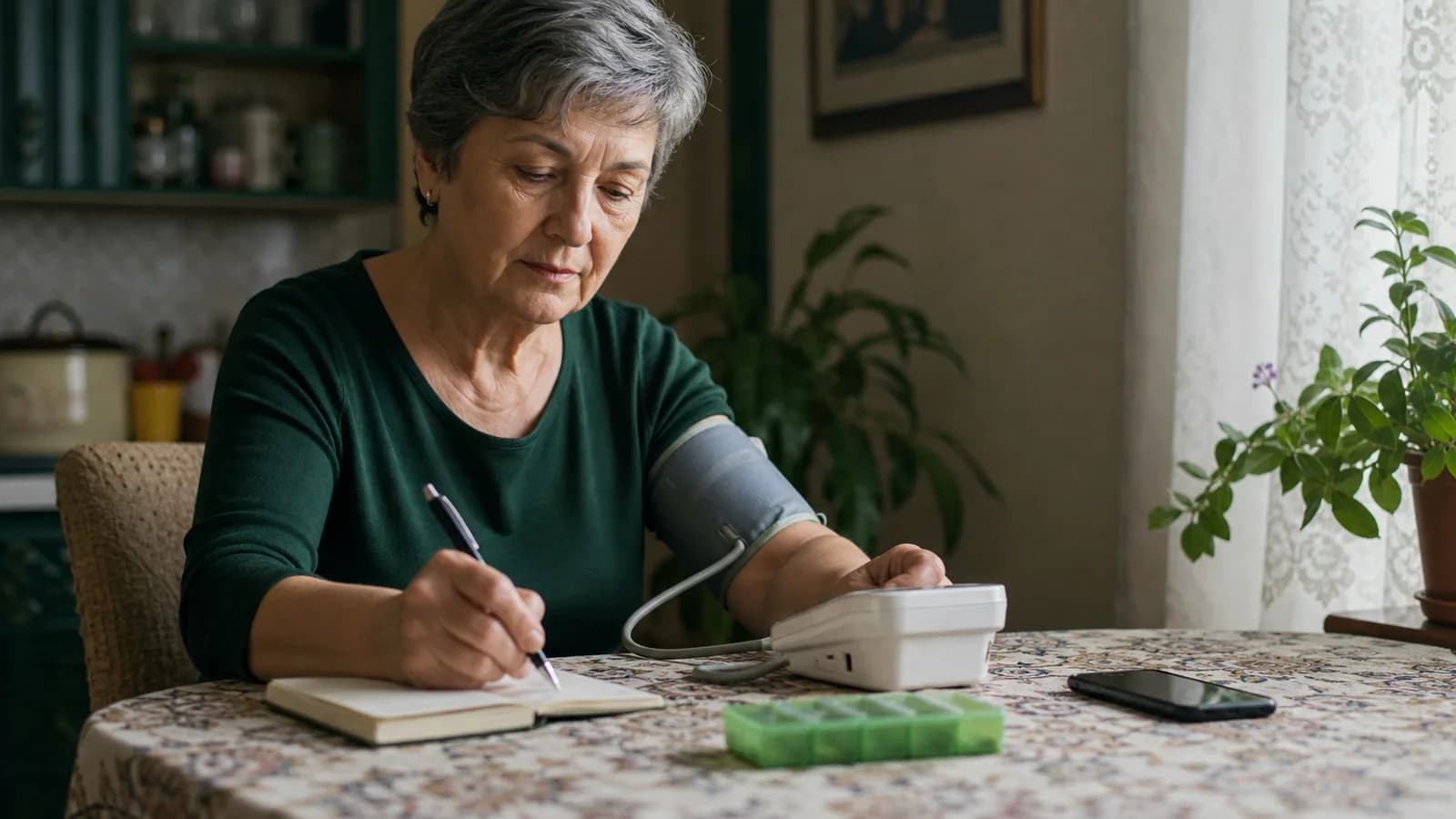
Beforehand, measure for seven days, morning and evening, two readings a minute apart, seated, after five minutes of rest, with a validated upper-arm blood pressure monitor. A single low reading on a hot day doesn't mean anything; a low average, together with symptoms, does.
Measurement protocol from the ESC 2024 guideline.
Global Health România
The next step
You can carry out the on-the-spot steps yourself. The doctor establishes the cause.
- Online doctor consultation
- Referrals and tests
- Normal blood pressure by age
- Doctors in România
- Contact Global Health
Repeated dizziness or an unexplained fainting spell?
A doctor reviews your symptoms and medications and orders the appropriate tests. This doesn't replace 112 in an emergency.
Medical sources
Sources for this guide
European guidelines and institutional sources, accessed on 7 September 2026.
The threshold values are those from the guidelines; the doctor interprets them according to age, pregnancy, and associated conditions.
Frequently asked questions
Questions about low blood pressure
Is a blood pressure of 90 over 60 dangerous?
With no symptoms, usually not, and it isn't treated. With dizziness, fainting, or if it appeared alongside a new medication, it's worth a consultation.
What should I drink when my blood pressure is low?
Water, drunk quickly. Sugar adds nothing extra. For coffee, the evidence is very weak.
What raises low blood pressure quickly?
Sitting or lying down with your legs raised, crossing your legs and tensing your muscles, and water. These are the steps from the European guideline. Medications that raise blood pressure need a doctor's decision.
When is low blood pressure an emergency?
When it comes with fainting and chest pain, laboured breathing, confusion, bleeding, high fever, or cold, clammy skin. Call 112.