
Welcome to the first issue of the Global Health newsletter for our patients in Portugal. In this issue we highlight our new healthcare plans, cross-border prescriptions, our new nationwide laboratory network and our online cardiology consultation.
In this issue
| 01 | New healthcare plans now available in Portugal |
| 02 | Cross-border prescriptions: take your doctor with you |
| 03 | Lab tests across the country and the islands |
| 04 | Blood collection at home |
| 05 | Online cardiology consultation |
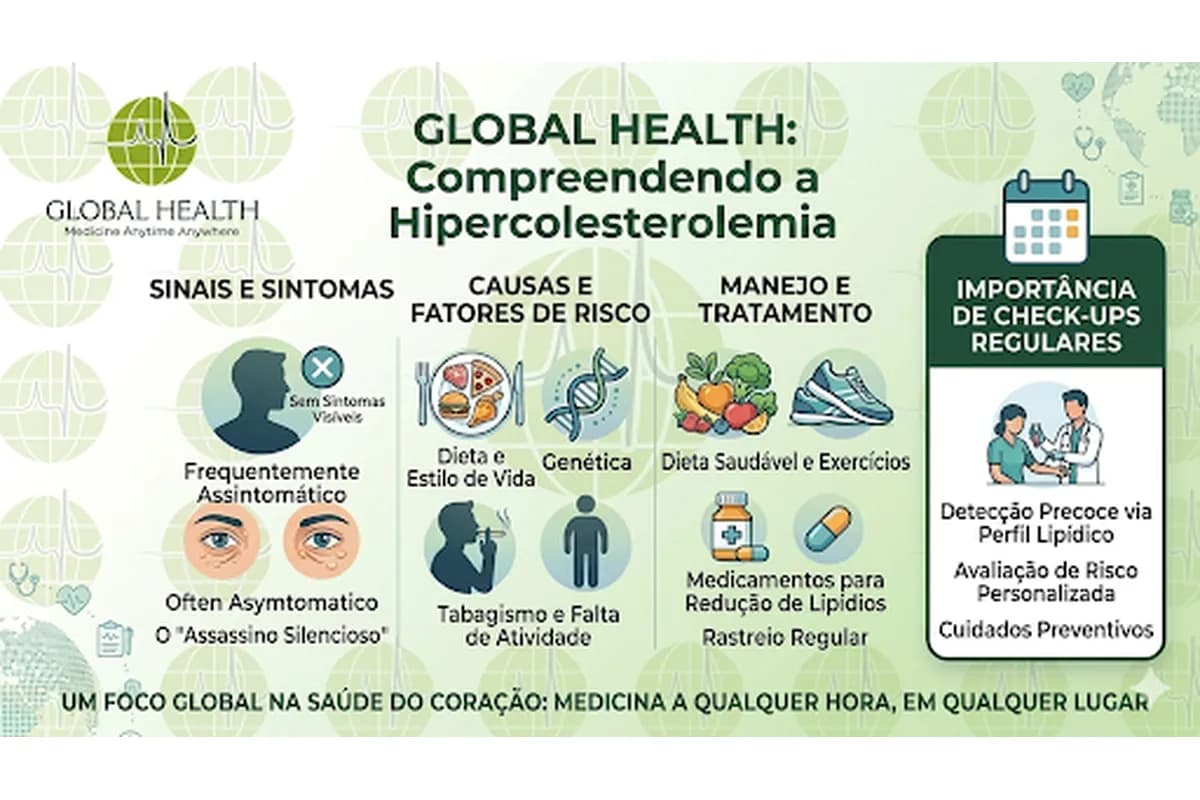
| 06 | Understanding hypercholesterolaemia |
A word from our clinical director “ Dear patients, It's a great pleasure to welcome you to this September edition of our newsletter. Launching our new healthcare plans and cross-border prescriptions in Portugal reflects an ongoing investment in making Global Health care more complete and more accessible, whether you're in Portugal or travelling. Our goal isn't only to resolve a single health concern, but to build a long-term relationship with you built on trust: a doctor who knows your history, and a team you can rely on, whether for a routine consultation, a lab test or a specialist second opinion. Thank you for entrusting your healthcare to Global Health. We'll keep working so that you can count on us whenever you need us. Dr Tiago Miguel Figueira Clinical Director, Global Health Portugal · Ordem dos Médicos (Portuguese Medical Association) |
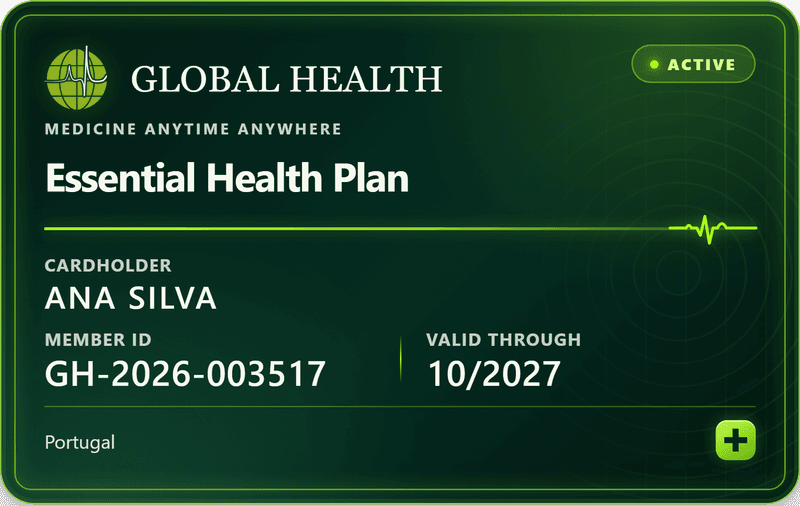
Healthcare plans New healthcare plans now available in PortugalWe've launched our healthcare plans in Portugal, designed to give you ongoing access to medical care on better terms. When you subscribe to a plan, you get access to several types of consultations and health services within the Global Health medical network, not only in Portugal but also in the other countries where we operate.
|
Cross-border prescriptions Cross-border prescriptions: take your doctor with youTravelling and need to renew a medication, or has an unexpected health issue come up? With Global Health, you can see your usual doctor even while abroad, and receive a prescription valid in the local market you're visiting. This cross-border prescription is valid in every country where we already operate: Portugal, Spain, Ireland, Czechia, Romania and Brazil, so you can collect your medication at a local pharmacy, with the reassurance of being cared for by the same doctor as always.
|
New partnership Lab tests across the country and the islandsWe've signed an agreement with a leading laboratory that guarantees access to clinical lab tests throughout the country: mainland Portugal, the Azores and Madeira. Here's how it works:
|
Without leaving home Blood collection at homeWe also offer blood sample collection at home: the laboratory comes to your home, takes the sample and, once it has been analysed, you receive the result by email, without having to travel at all. This is especially valuable for patients with reduced mobility, but also for anyone who works from home and simply doesn't have time to travel to a laboratory. |
Now available Online cardiology consultation
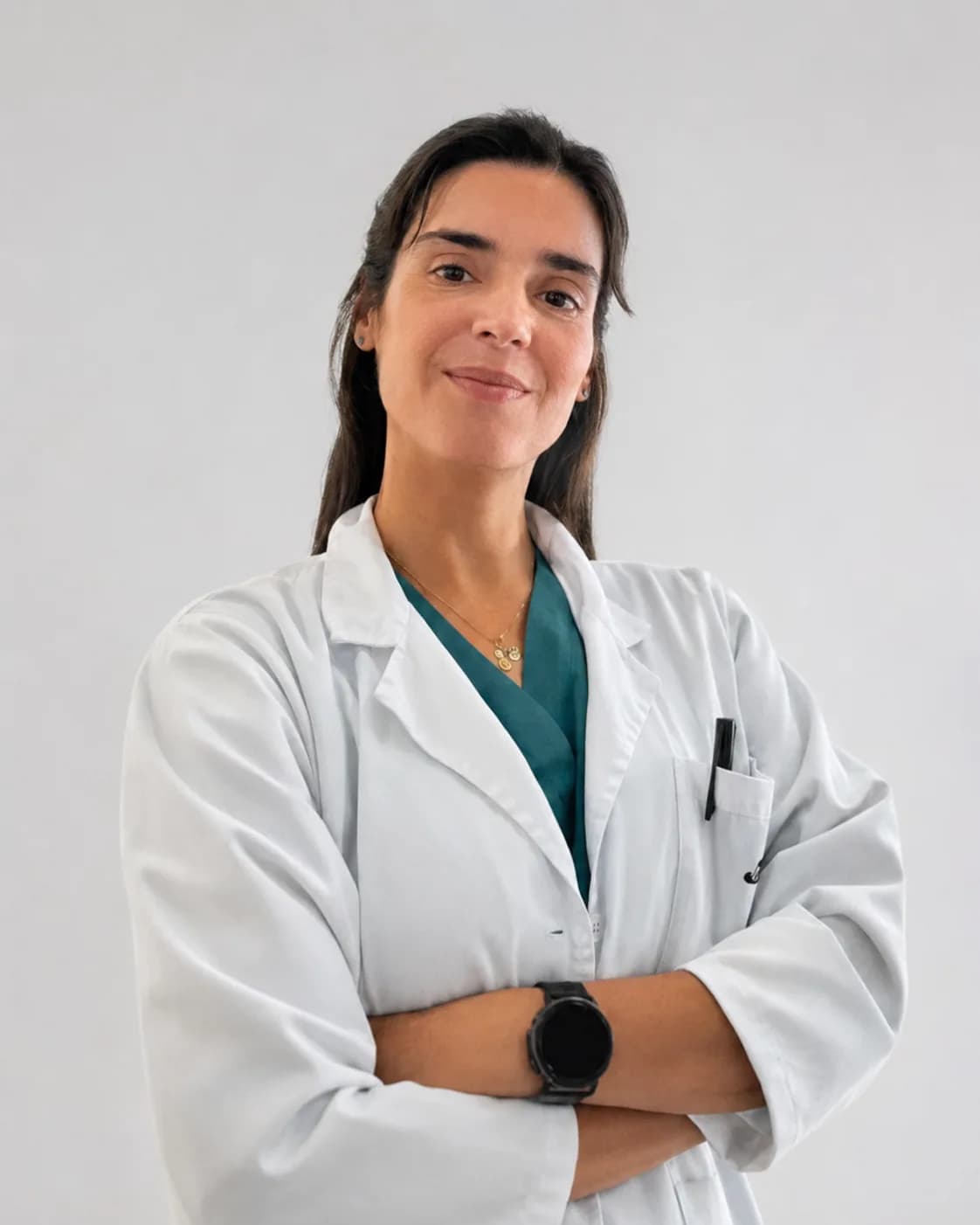
Graduated from the Faculty of Medicine of the University of Porto, with advanced training placements in Lyon and Santiago de Compostela. Speaks Portuguese, English and French. Dr Ana Leal Neto is a cardiologist in the Cardiology Departments of ULS Tâmega e Sousa and Hospital Lusíadas de Paços de Ferreira, with European certifications in Transthoracic Echocardiography and Acute Cardiovascular Care, and is a Young Ambassador of the Heart Failure Association of the European Society of Cardiology (2023–2026). In an online consultation she assesses heart symptoms, heart failure, high blood pressure and dyslipidaemia, interprets echocardiograms, ECGs and Holter recordings, and gives a second cardiology opinion, with no waiting list.
|
From our blog Understanding hypercholesterolaemiaHigh cholesterol affects around 1 in 2 Portuguese adults, but causes no symptoms until a heart attack or stroke occurs, the leading cause of death in Portugal. Familial Hypercholesterolaemia, an inherited form, affects around 1 in 250 people, and more than 90% of cases remain undiagnosed.
|