
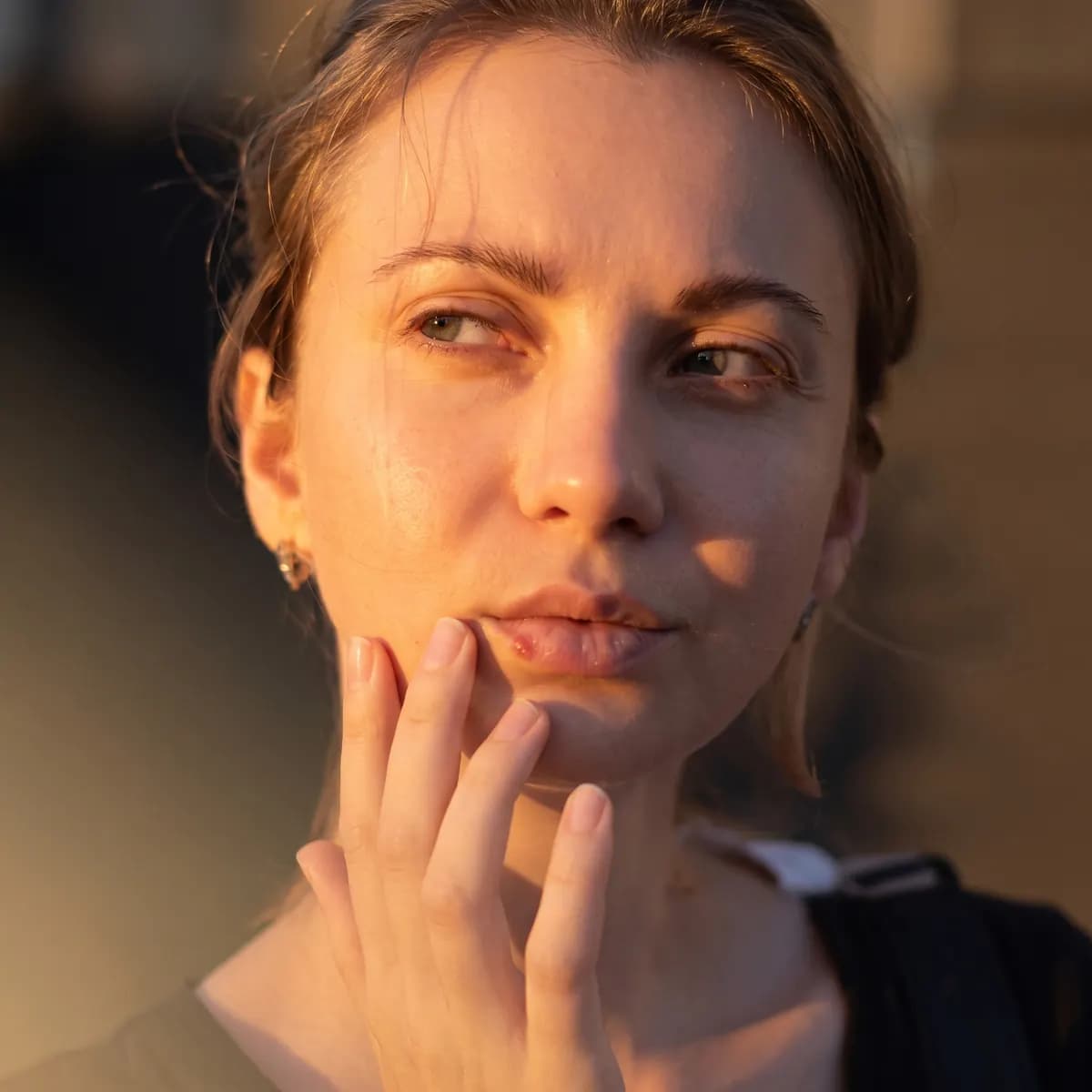
Cold sores are small, painful blisters on or around the lips caused by the herpes simplex virus. They usually heal on their own within 7 to 10 days, but prescription antiviral tablets can shorten an outbreak, especially if started at the first tingle. With Global Health you can request cold sore treatment online in Portugal. You complete a secure questionnaire, a licensed doctor reviews your answers, and if treatment is clinically suitable the doctor issues an electronic prescription that you receive in your Global Health account and can use at any pharmacy in Portugal. If it is not suitable, the doctor explains why and suggests what to do next.
What is included
- A review of your medical questionnaire by a licensed doctor
- A prescription for antiviral tablets, if clinically suitable
- An electronic prescription in your Global Health account, which you can use at any pharmacy in Portugal
- Written advice on when to start treatment and how to avoid spreading the virus
- Secure messaging with the doctor about your request
The request fee covers the doctor's review. The medication is paid for separately at the pharmacy.
Who this service is not suitable for
Our doctors cannot safely prescribe cold sore treatment online if you:
- are under 16
- have sores near or in your eyes, or a red, painful eye or blurred vision
- have a weakened immune system, for example from chemotherapy, HIV or medicines that suppress the immune system
- are pregnant or breastfeeding
- have eczema with new painful blisters, or need advice because a baby or someone with eczema has been in close contact with your cold sore
- have cold sores very often (around six or more a year), or a sore that has not healed after 10 days
- have kidney disease
- have sores spreading over a large area, or feel very unwell with a high temperature
A cold sore near the eye, or painful blisters spreading over eczema, needs urgent medical care straight away. Call 112 if a baby with blisters is floppy, drowsy or not feeding. If any of these apply, please book a video consultation with a GP so a doctor can assess you properly.
How it works
- Complete the questionnaire. Answer questions about your cold sores, general health and any medication you take. It takes about five minutes.
- Doctor review. A licensed doctor reviews your answers against clinical guidance and may message you if more information is needed.
- Prescription issued. If treatment is suitable, the doctor issues an electronic prescription that you receive in your Global Health account and can take to any pharmacy in Portugal.
What is a cold sore?
A cold sore is a cluster of small fluid-filled blisters caused by the herpes simplex virus, usually type 1. Most people catch the virus in childhood. After the first infection it stays in the nerves for life and can reactivate from time to time, causing a new cold sore in the same area. Many people carry the virus and never get symptoms.
First signs of a cold sore
The first sign of a cold sore is usually tingling, itching or burning on the lip a day or so before anything is visible. Small blisters then appear, burst, weep and crust over before healing. Cold sores most often appear on the outer edge of the lip or at the corner of the mouth, and sometimes on the nose or chin.
Cold sore inside the lip?
Cold sores rarely appear on the soft inside of the lip or cheek. Sores inside the mouth are more often mouth ulcers, which are not contagious and are treated differently. Recurrent cold sores can sometimes affect the gums or hard palate. If you are unsure, a doctor can help tell them apart.
What triggers cold sores?
Common triggers include colds and other illnesses, strong sunlight, cold wind, tiredness, stress, periods and injury to the lips. Knowing your triggers can help you prevent some outbreaks.
Cold sore treatment options
There is no cure for the virus, but treatment can reduce how long an outbreak lasts:
- Antiviral tablets. Prescription antiviral tablets stop the virus from multiplying. They work better when started at the tingling stage, before blisters form, and are usually taken as a short course.
- Antiviral creams. Pharmacy creams can slightly shorten healing time if applied early and often, several times a day.
Cream vs tablets
Creams only work on the surface of the skin and need frequent application. Tablets work from inside the body, so they can be more effective for people with troublesome cold sores. Your doctor will advise whether tablets are suitable for you. Some people keep a course ready to start at the first tingle, if their doctor agrees. Very frequent outbreaks need a review with your family doctor to discuss longer-term options.
How to get rid of a cold sore fast
Start treatment at the first tingle, keep the area clean, apply a cold compress for pain, and use simple pain relief if needed. Avoid picking scabs, which slows healing and can spread infection. Use a lip balm with SPF to help prevent sun-triggered cold sores.
Side effects and safety
Antiviral tablets are usually well tolerated. Possible side effects include headache, nausea and dizziness. Drink plenty of fluids while taking them. They may not be suitable for people with kidney problems, so tell your doctor about any medical conditions and medicines you take.
When does a cold sore stop being contagious?
A cold sore is contagious from the first tingle until it has fully healed, which is usually when the scab has fallen off and the skin underneath is healed. Until then, avoid kissing, oral sex and sharing cups, towels or lip products. Wash your hands after touching the sore. Do not kiss newborn babies or people with eczema while you have a cold sore, as the virus can cause serious infection in them.
When to see a doctor in person
See your family doctor if a cold sore has not started to heal after 10 days, is very large or painful, or keeps coming back. Seek urgent care for any sore near the eye or if you feel very unwell. For non-urgent advice you can call SNS 24 on 808 24 24 24. You can also meet our doctors or see all online prescription services.