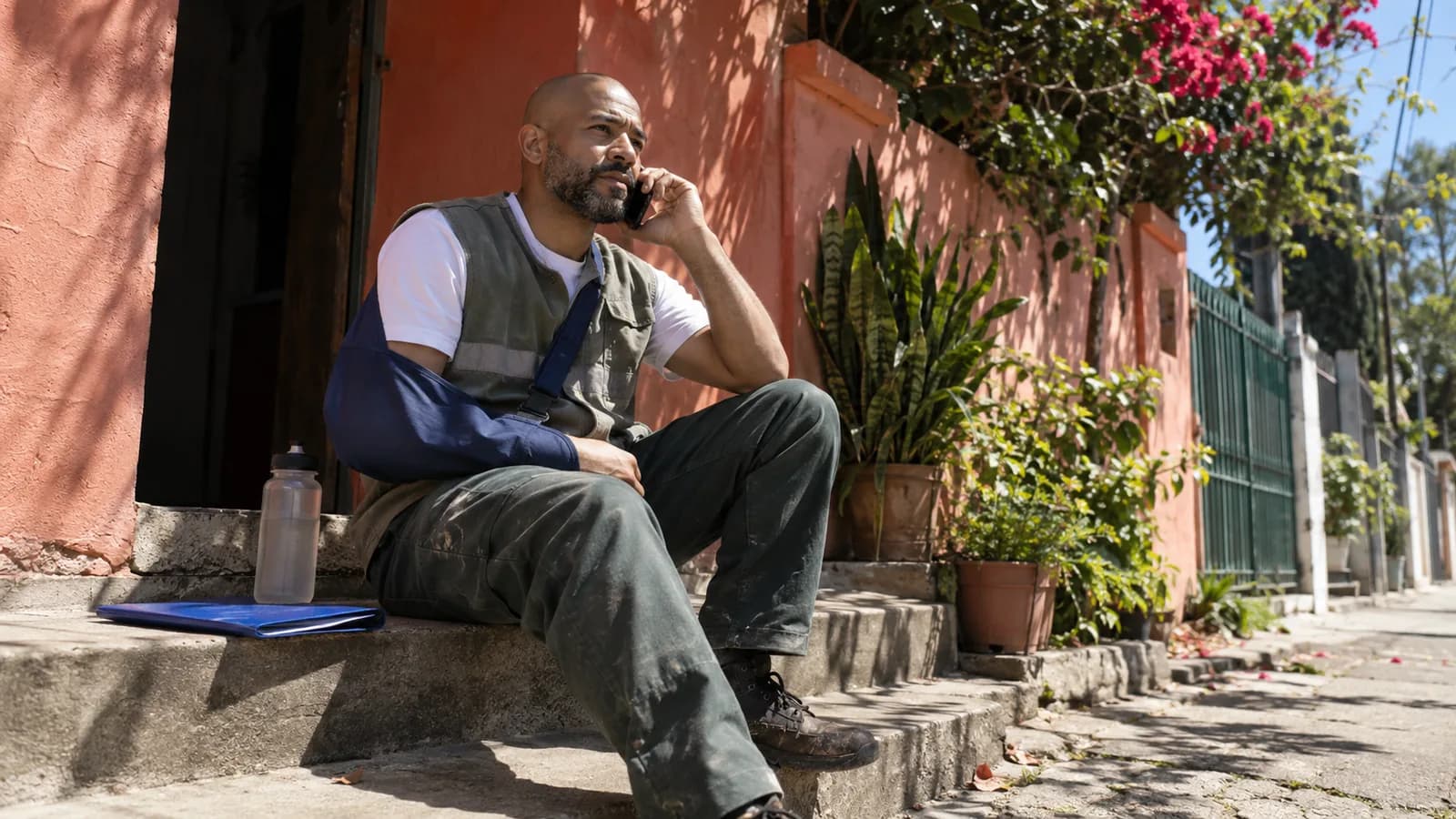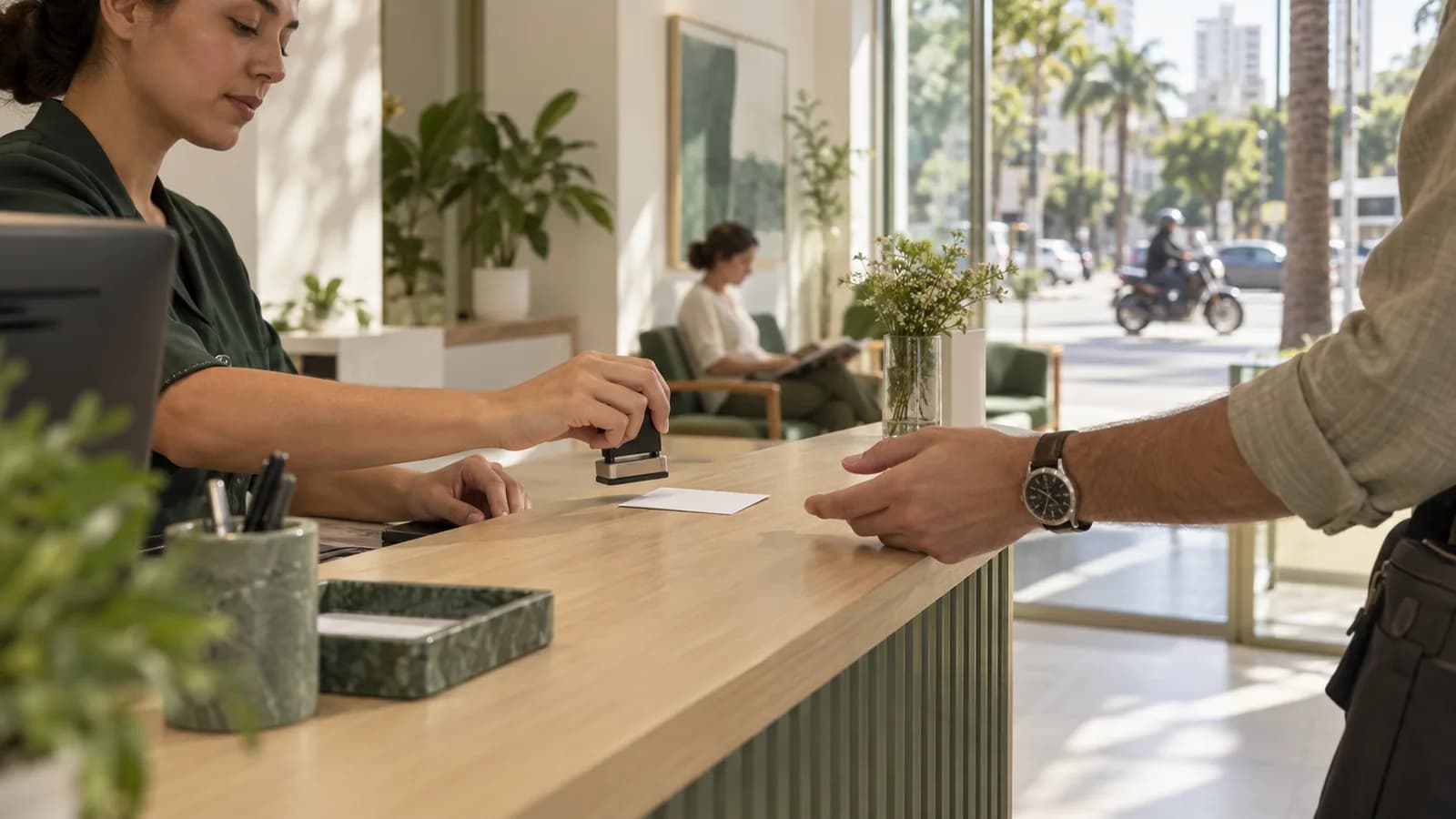
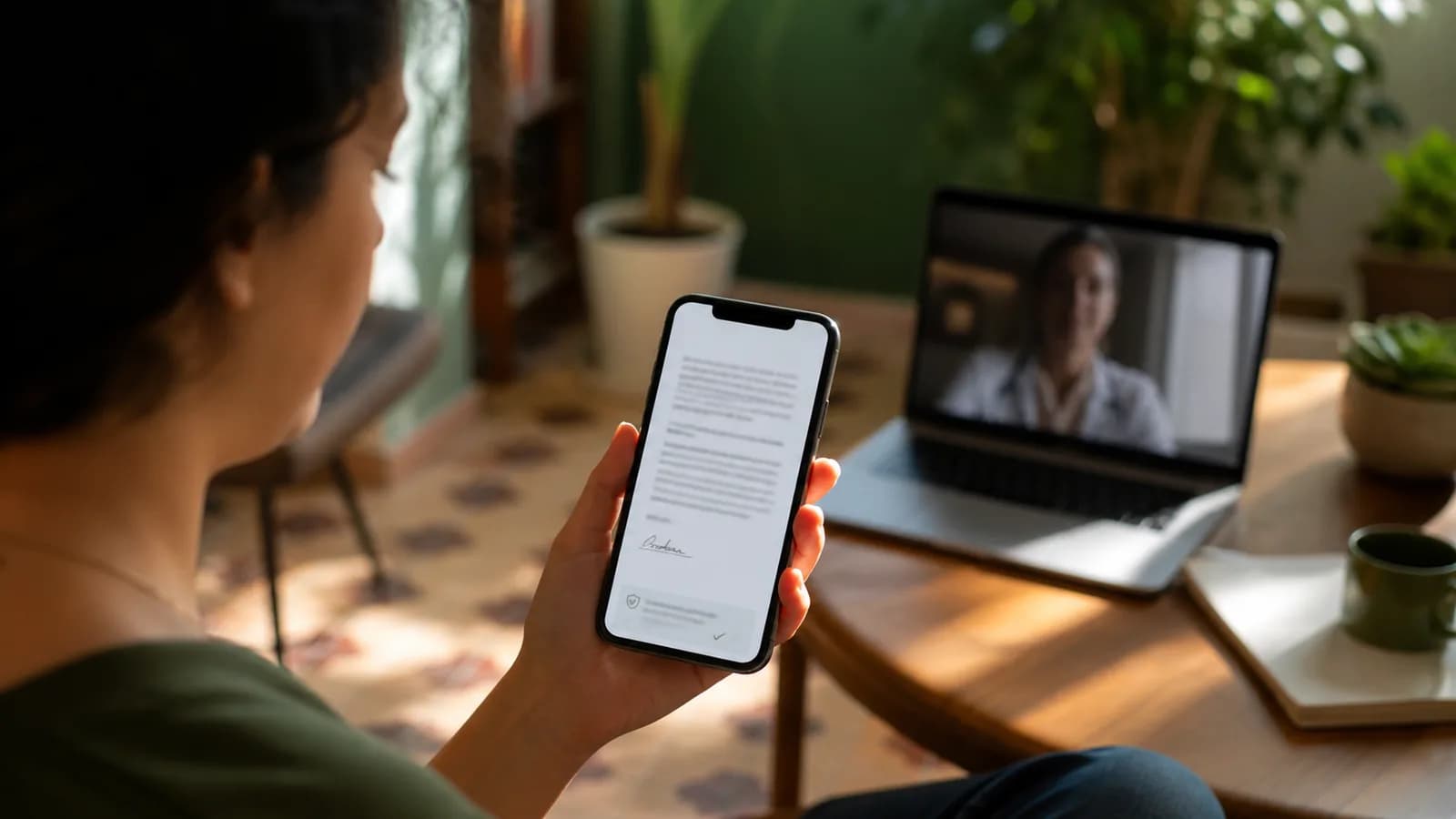
The document counts because there was a consultation. The consultation does not exist to justify the document — and that order changes everything.
A medical certificate issued in a teleconsultation — an atestado médico — carries the same weight as one issued in person, provided it meets the same conditions: a genuine medical consultation, a doctor properly registered with the CRM, a document carrying the required details and a verifiable digital signature. What an employer checks is not a rubber stamp: it is the digital signature, and anyone can validate it on a public government website. What does not exist is a certificate without a clinical assessment — that is not telemedicine, it is document forgery, with consequences for whoever issues it and whoever uses it.
The main question
Is a certificate issued online valid?
It is — and the reason is simple: what makes a certificate valid is the medical act, not the medium through which it happened.
Telemedicine is regulated in Brazil, and remote care is medical care like any other. If the doctor assessed you, concluded that time off was needed and issued the document with the required details and a digital signature, the certificate is the same document that would have come out of a consulting room.
- A doctor registered with the CRM, identifiable by name and registration number.
- A consultation actually carried out — by video, with an assessment of your condition.
- A digital signature with a valid certificate, verifiable by anyone.
- Complete details on the document, including the date and the period of absence.
There is no compulsory central platform for validating certificates today: the Federal Council of Medicine's platform has been announced but is not yet in use. What holds the document up is the doctor's digital signature, and anyone can verify that. The Council's electronic prescription service, by contrast, is running. The certificate reaches you as a PDF, by email or messaging app, and you forward it to your employer.
The Council's electronic prescription service: CFM Electronic Prescription.
Content
What the certificate must contain
A rejected certificate is almost never a fake one. It is an incomplete one.
- Identification of the patient.
- Date of issue and the recommended period of absence.
- The doctor's name and CRM number, with the state of registration.
- A signature — digital, in the case of an electronic document.
- The ICD code only with the patient's express consent. The diagnosis is your information; the doctor does not add it unprompted.
Check the document as soon as you receive it. A wrong name, a mistyped date or an incomplete period takes minutes to correct with the doctor who issued it, and becomes a problem if you only notice on the day you hand it in.
The other side
How the employer verifies the certificate
This part tends to cause friction through misinformation, on both sides.
A digital certificate is verified through its electronic signature. The PDF can be checked at validar.iti.gov.br, the public digital-signature validation service: it shows whether the signature is valid and who the certificate belongs to. Many documents also carry a QR code or verification code leading to the same result.
- The employer may verify the authenticity of the document and the doctor's CRM registration.
- The employer has no right to your diagnosis — what they receive is the existence and duration of the absence.
- The employer may not condition acceptance on a particular paper format when the digital document is authentic.
- Internal submission deadlines vary: check your company's and hand it in as early as you can.
Any doctor's registration can be checked in the CFM doctor search — ours as readily as any other service's.
Digital signature validation: validar.iti.gov.br.
Transparency
When a teleconsultation should not issue a certificate
We say this before selling anything, because it is the part that protects you.
Not every complaint can be settled by video. There are situations where the right answer is referral for an in-person assessment, and issuing a certificate in those circumstances would mean putting in writing something the doctor was unable to examine.
- Conditions requiring a physical examination — undiagnosed abdominal pain, suspected fracture, neurological change.
- Prolonged absences, which involve a different pathway and different paperwork.
- Situations calling for a formal medical assessment of fitness for work.
- Serious presentations, where the destination is the emergency department and not a document.
- Requests for a backdated certificate covering a period the doctor did not assess.
When an absence extends, it stops being a matter solely between you and your employer and starts to involve the INSS, with its own rules and deadlines. Confirm the current procedure and time limits directly at gov.br/inss, because they change.
What we do not do
Fake certificates: what is really at stake
There is an enormous volume of searches for ready-made certificates, PDF templates and «stamps». It is worth saying plainly what that is.
Filling in, buying or presenting a certificate that does not correspond to a real consultation is document forgery. For the person presenting it the risk is not merely administrative: it is grounds for dismissal for cause and can carry criminal consequences. For the person issuing it, it is a serious ethical breach, with proceedings before the Regional Council of Medicine.
- PDF templates and online generators are not medical documents — no doctor, no assessment, no responsibility.
- The digital signature is precisely what makes fraud easy to detect: a document without a valid signature fails verification.
- A genuine certificate costs one consultation and a few minutes. A fake one costs your job.
That is why a consultation here starts with the assessment and not with the document. If your condition justifies time off, the certificate follows. If it does not, you get advice and treatment — and we can still look you in the eye at the next consultation.
Safety
When the problem is not the document
There are signs in the face of which sorting out paperwork is the last priority.
- Chest pain or tightness, especially with breathlessness, cold sweats or pain spreading to the arm or jaw.
- Sudden weakness on one side of the body, a drooping mouth, difficulty speaking or a sudden, very severe headache.
- Breathlessness at rest, or blue lips and face.
- Skin marks that do not fade under pressure, with fever, neck stiffness or confusion.
- Significant bleeding or vomiting blood.
- Any thought of harming yourself.
In these cases call 192 (SAMU) or go to the nearest emergency department. The certificate gets sorted afterwards — and it always does.
Public health information: gov.br/saude.
Global Health Brazil
Next steps
Our doctors in Brazil assess by video and tell you plainly what the consultation can settle today and what needs to be seen in person.
Need an assessment today?
A video consultation assesses your condition, starts treatment where indicated and issues the certificate if time off is justified — with a verifiable digital signature.
Official sources
Where to confirm
Absence rules, deadlines and INSS procedures change. Always check at source.
The links open third-party and government websites. Global Health does not sell certificates: it issues medical documents only as the outcome of a consultation actually carried out.
FAQ
Common questions
Is an online medical certificate valid for work in Brazil?
Yes, when it results from a consultation actually carried out, is issued by a doctor registered with the CRM, carries the required details and has a verifiable digital signature. What makes a certificate valid is the medical act, not the medium through which the consultation took place.
Must the employer accept a digital certificate?
An authentic certificate does not stop counting because it is digital. The employer may verify the electronic signature and the doctor's CRM registration, but may not demand a particular paper format when the digital document is authentic, nor demand your diagnosis.
Does the certificate have to carry the ICD code?
No. The ICD code is included only with the patient's express consent, and the certificate remains valid without it. There are situations — formal assessments, benefits — where disclosing helps your case, but the decision is yours.
How does the employer check whether a certificate is genuine?
Through the digital signature. The PDF can be checked at validar.iti.gov.br, the public signature validation service, which shows whether the signature is valid and who holds the certificate. Many documents also carry a QR code or verification code.
Can I get a certificate without a consultation?
No, and no serious service offers that. A document without a clinical assessment is forgery, carrying the risk of dismissal for cause for whoever presents it and ethics proceedings for whoever issues it. A consultation may end with a certificate, with treatment and no time off, or with a referral.
How many days off can a certificate cover?
The period follows the clinical assessment of the case. When an absence extends, it stops being a matter only between you and your employer and starts to involve the INSS, with its own rules and deadlines — confirm the current ones at gov.br/inss.