

🫀 Hypertension in 2025: How to Identify, Treat, and Control High Blood Pressure
- Global Guest

- Jul 12, 2025
- 3 min read
Global Health Cardiology Insights
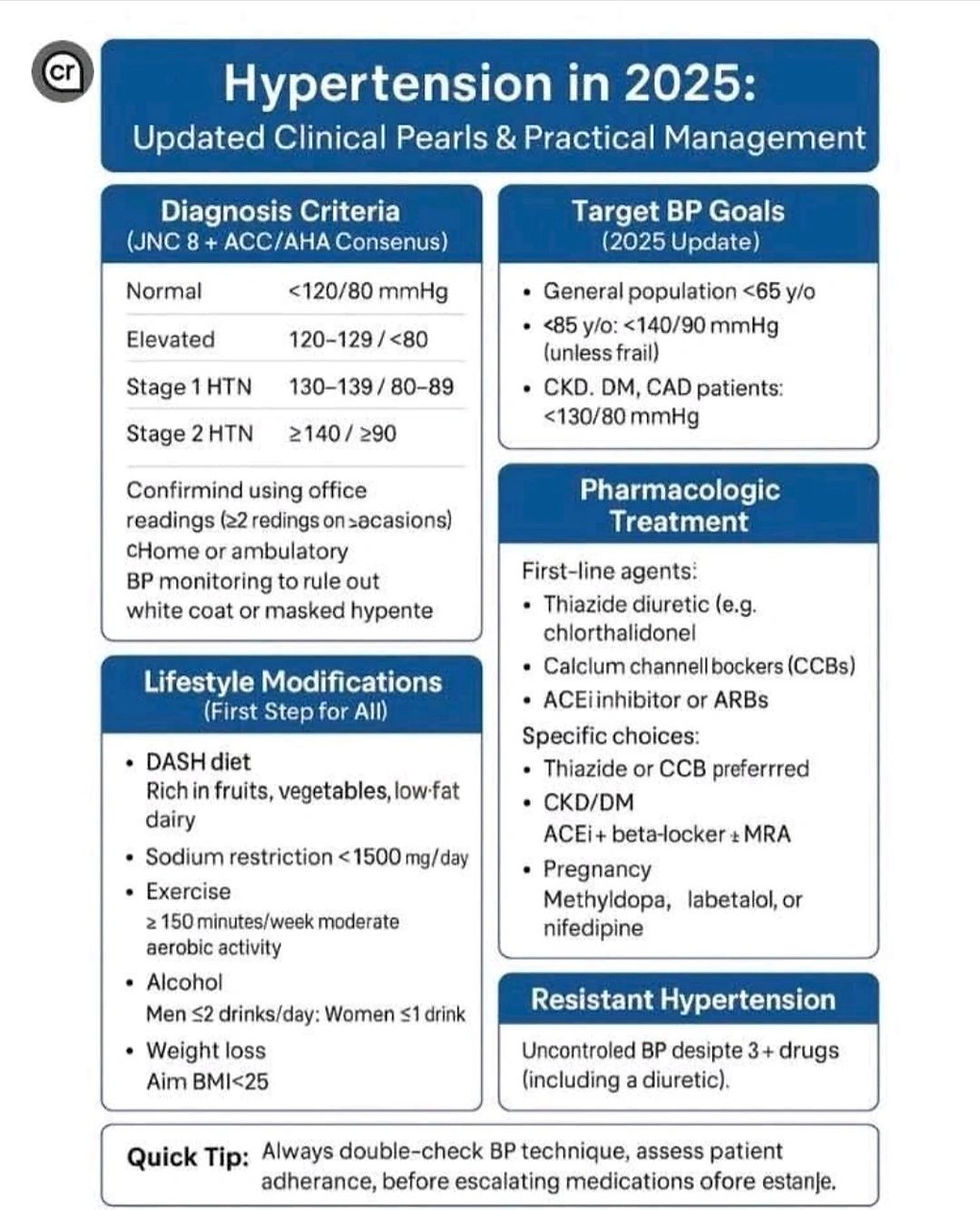
High blood pressure—also known as hypertension—is one of the most prevalent and preventable causes of heart disease, stroke, kidney failure, and early death worldwide. Yet, it often goes unnoticed until serious complications arise. At Global Health, we are committed to early detection, personalized treatment, and lifestyle empowerment to help patients take control of their cardiovascular health.
📌 What Is Hypertension?
Hypertension is defined as sustained elevated blood pressure (BP) in the arteries, which forces the heart to work harder than normal to circulate blood throughout the body. Over time, this pressure damages blood vessels and organs, particularly the brain, heart, and kidneys.
🔍 How to Diagnose Hypertension
According to the 2025 consensus (based on JNC 8 and ACC/AHA guidelines):
Category | Systolic (mmHg) | Diastolic (mmHg) |
Normal | <120 | and <80 |
Elevated | 120–129 | and <80 |
Stage 1 HTN | 130–139 | or 80–89 |
Stage 2 HTN | ≥140 | or ≥90 |
✅ Confirmation
Diagnosis should be based on:
At least two office readings on separate occasions
Home or 24-hour ambulatory monitoring to exclude white coat or masked hypertension
⚠️ Causes and Risk Factors
Hypertension can be primary (essential)—with no clear cause—or secondary, resulting from another condition (e.g., kidney disease, thyroid dysfunction). Common risk factors include:
Age > 40
Family history
Obesity or sedentary lifestyle
High-sodium or processed food diets
Smoking and excessive alcohol
Diabetes or chronic kidney disease
🎯 Target Blood Pressure Goals
As of 2025, the updated BP targets are:
General population under 65: <130/80 mmHg preferred
Adults 65–85 years: <140/90 mmHg (unless frail)
CKD, diabetes, or coronary artery disease: <130/80 mmHg
💊 What to Prescribe: Pharmacologic Treatment
Treatment should begin with lifestyle changes, followed by medications if needed. First-line medications include:
🔹 First-Line Medications
Thiazide diuretics (e.g., chlorthalidone) – help kidneys eliminate salt and water
Calcium channel blockers (CCBs) – relax blood vessels and reduce heart workload
ACE inhibitors or ARBs – lower pressure and protect kidneys
🔹 Special Cases
CKD or diabetes: ACE inhibitor + beta-blocker ± mineralocorticoid receptor antagonist (MRA)
Pregnancy: methyldopa, labetalol, or nifedipine (safe choices)
🧬 How Do These Medications Work?
Diuretics: Reduce blood volume by eliminating excess sodium and water
ACE inhibitors/ARBs: Block hormones that tighten blood vessels (RAAS system)
CCBs: Prevent calcium entry into heart/blood vessel muscle cells → vessel dilation
Beta-blockers: Slow heart rate and reduce cardiac output
💪 Lifestyle Changes That Make a Difference
Lifestyle modification is the cornerstone of hypertension prevention and control:
🥗 DASH diet: Rich in vegetables, fruits, whole grains, and low-fat dairy
🧂 Sodium restriction: <1500 mg/day
🏃♀️ Exercise: ≥150 min/week of moderate aerobic activity
🍷 Limit alcohol: Men ≤2 drinks/day, women ≤1
⚖️ Weight loss: Aim for BMI <25
These measures can reduce systolic BP by 4–11 mmHg on average—often enough to delay or prevent medication.
🚨 Resistant Hypertension
Defined as uncontrolled BP despite use of 3 or more medications, including a diuretic. In such cases:
Recheck adherence and BP measurement technique
Rule out secondary causes
Consider adding a mineralocorticoid receptor antagonist (e.g., spironolactone)
🧠 Final Thoughts
Hypertension may be silent—but its consequences are not. At Global Health, we emphasize early detection, personalized care plans, and evidence-based treatments to help every patient stay ahead of heart disease, stroke, and kidney damage.
If you haven’t had your blood pressure checked recently, or if you’re managing hypertension and need support, book an online or in-person consultation with one of our doctors today.
🩺 Global Health – Empowering people to live longer, healthier lives.www.myglobalhealth.online


Comments