

Boost Your Brain Health Naturally: Why Potassium Matters More Than You Think
- Global Guest

- May 22, 2025
- 2 min read

At Global Health, we believe nutrition is a key pillar of prevention and lifelong wellness — and recent studies now highlight one mineral in particular that may play a powerful role in protecting your brain: potassium.
While potassium is widely known for its role in heart and muscle function, new research suggests it also supports cognitive health and may even help reduce the risk of Alzheimer’s disease and other forms of dementia.
What the Science Says
A 2023 study published in Frontiers in Nutrition found that older adults with higher potassium intake had a lower risk of mild cognitive impairment (MCI). Similarly, data from the U.S. National Health and Nutrition Examination Survey (NHANES) showed that a higher potassium-to-sodium ratio in the diet is associated with slower cognitive decline.
In simpler terms: eating more potassium-rich foods (and less salt) may help protect your memory and brain function as you age.
Why Potassium Is Essential
Potassium is a mineral and electrolyte that helps your body:- Maintain normal blood pressure- Support nerve and muscle function- Regulate fluid balance- Keep brain cells communicating properly through electrical signaling
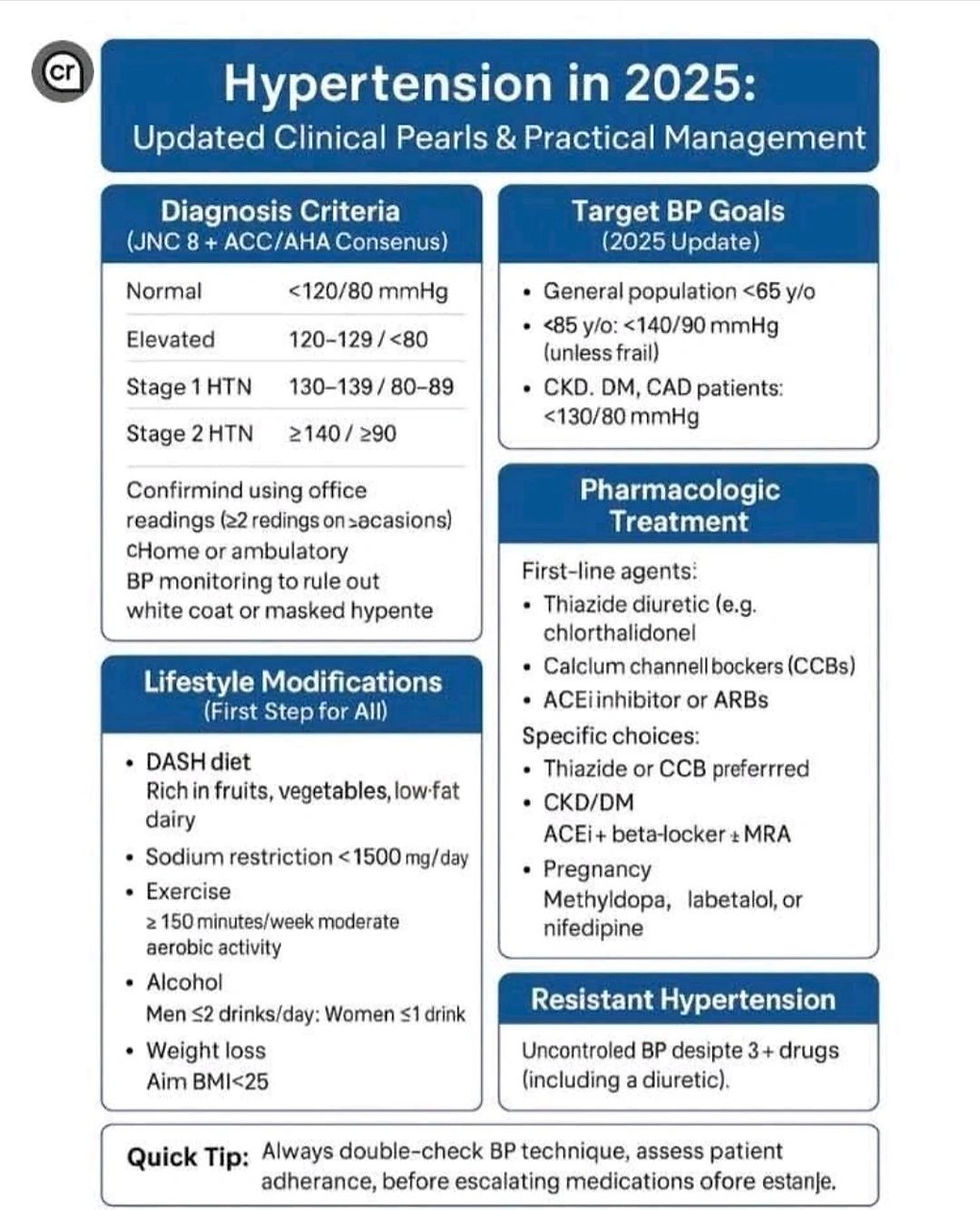
Since high blood pressure is a known risk factor for Alzheimer’s and stroke, potassium’s role in balancing blood pressure makes it a key nutrient for brain health.
Are You Getting Enough Potassium?
Most adults don’t meet the recommended daily potassium intake.
Recommended Daily Intake (Adults):-
Men: 3,400 mg-
Women: 2,600 mg
(Source: U.S. NIH – Office of Dietary Supplements)
The good news? You can easily reach these levels by adding more whole, natural foods to your meals.
Best Food Sources of Potassium
Food | Potassium (approx.) |
Cooked spinach (1 cup) | 840 mg |
Avocado (1 cup) | 708 mg |
Sweet potato (1 medium) | 700 mg |
White beans (½ cup) | 600 mg |
Banana (1 medium) | 422 mg |
Coconut water (1 cup) | 600 mg |
Salmon (1 serving) | 970 mg |
Dried apricots (¼ cup) | 378 mg |
Yogurt (1 cup) | 350 mg |
Lentils (½ cup) | 366 mg |
Orange juice (1 cup) | 496 mg |
Tip from Global Health: While bananas are great, don’t forget leafy greens, legumes, and sweet potatoes — they can offer even more potassium with fewer sugars.
A Quick Word of Caution
If you have kidney disease or take medications that affect potassium levels (such as ACE inhibitors or diuretics), always consult your doctor before increasing potassium intake — too much can be dangerous in those cases.
Final Thought from Global Health
The link between nutrition and cognitive health is becoming clearer with every new study. At Global Health, we encourage our patients and readers to view food not only as fuel, but as an essential tool for prevention.
Incorporating more potassium-rich foods is a simple, natural way to support your brain, heart, and overall wellbeing — starting with your next meal.
References
Moneycontrol Health Article: https://www.moneycontrol.com/health-and-fitness/diet-guide-more-potassium-in-daily-diet-helps-reduce-alzheimer-s-risk-support-better-brain-health-article-13026773.html-
Frontiers in Nutrition, 2023- NHANES (National Health and Nutrition Examination Survey)-
NIH Office of Dietary Supplements: https://ods.od.nih.gov/factsheets/Potassium-HealthProfessional


Comments