


General practice
Headache diary: what to record before a migraine appointment
Record headache days, symptoms and medicines. The HSE suggests at least four weeks of notes, but you should seek care before then if you need it.
Read articleGlobal Health · Blog
Evidence-based guides written and reviewed by our medical team. No ads, no fluff.
Every article here is written and reviewed by registered doctors
Read our medical review policyRecord headache days, symptoms and medicines. The HSE suggests at least four weeks of notes, but you should seek care before then if you need it.
Read article
Irish pharmacists can now assess and prescribe for eight common conditions, three of which can involve antibiotics. What is covered, the age limits, what you pay and when you still need a GP.
Read article
How an adult gets assessed for ADHD in Ireland, why the HSE pathway goes through your local mental health team first, what a private assessment costs, and what a proper assessment involves.
Read article
Current Illness Benefit rates, waiting days, weekly payment timing, tax and the difference from employer sick pay.
Read article
Illness Benefit is the Department of Social Protection payment for people who cannot work through illness or injury. Here is what the claim needs, who can issue the Certificate of Incapacity for Work, and how it differs from employer-paid statutory sick leave.
Read article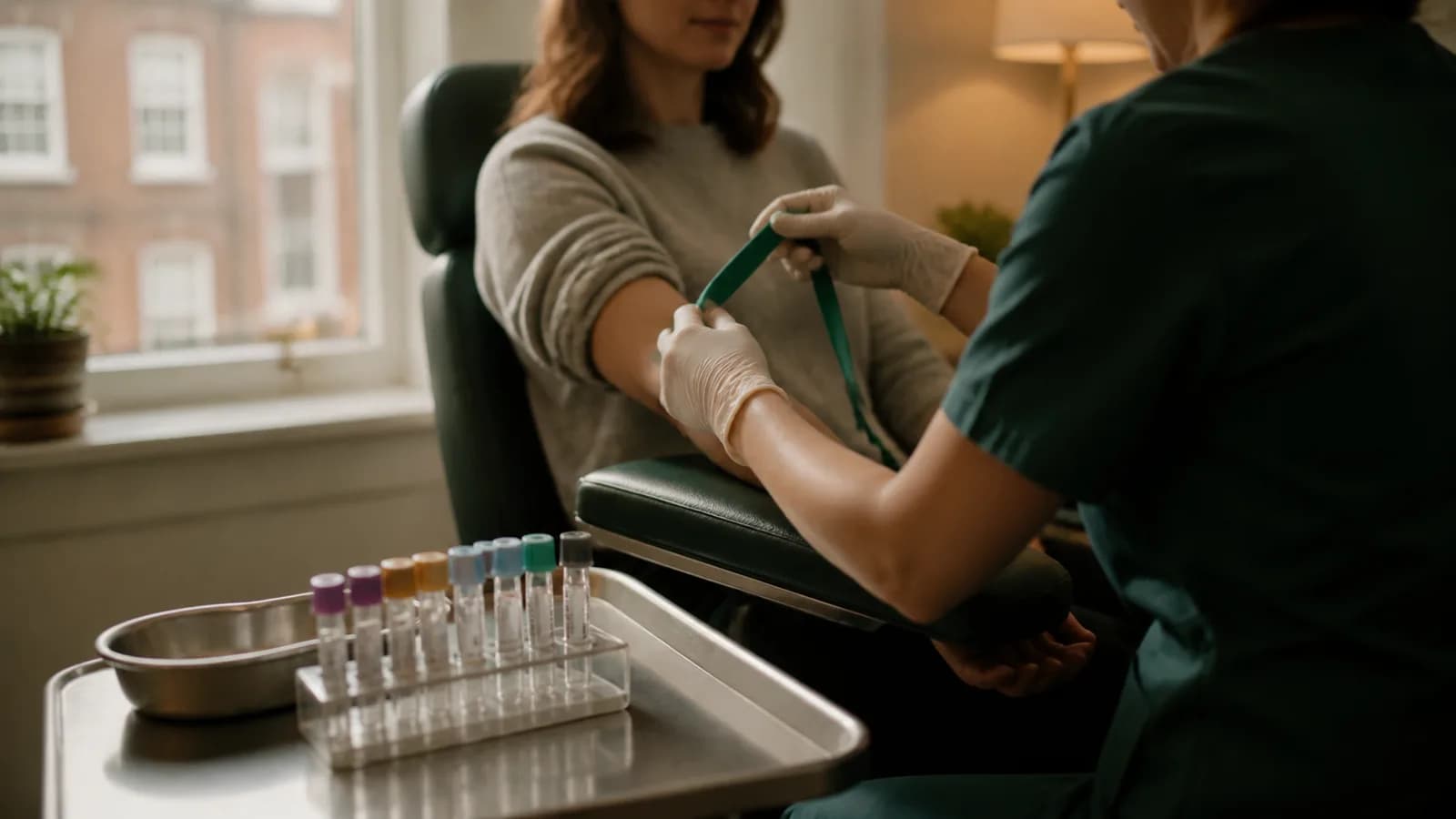
Where you can have bloods taken in Dublin, why the referral matters more than the panel, what the common tests actually measure, and why a single out-of-range number is rarely the answer on its own.
Read article
A symptom-by-symptom guide to when an online GP consultation is appropriate, when you need to be examined in person, and the warning signs that mean you should call 999/112 or go to the Emergency Department.
Read article
What happens during an online sick cert appointment, what your employer needs, and how sick pay differs from Illness Benefit.
Read article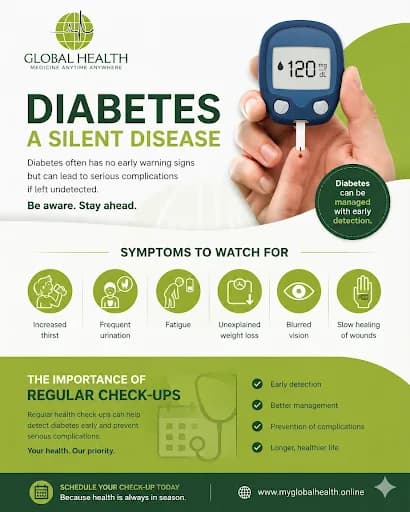
Diabetes in Ireland: Causes, Symptoms, Treatments and the Future of Care — An estimated 308,000 people live with diabetes in Ireland. This guide covers warning signs, today's best treatments (including GLP-1 and SGLT2 therapies), and the breakthroughs on the horizon.
Read article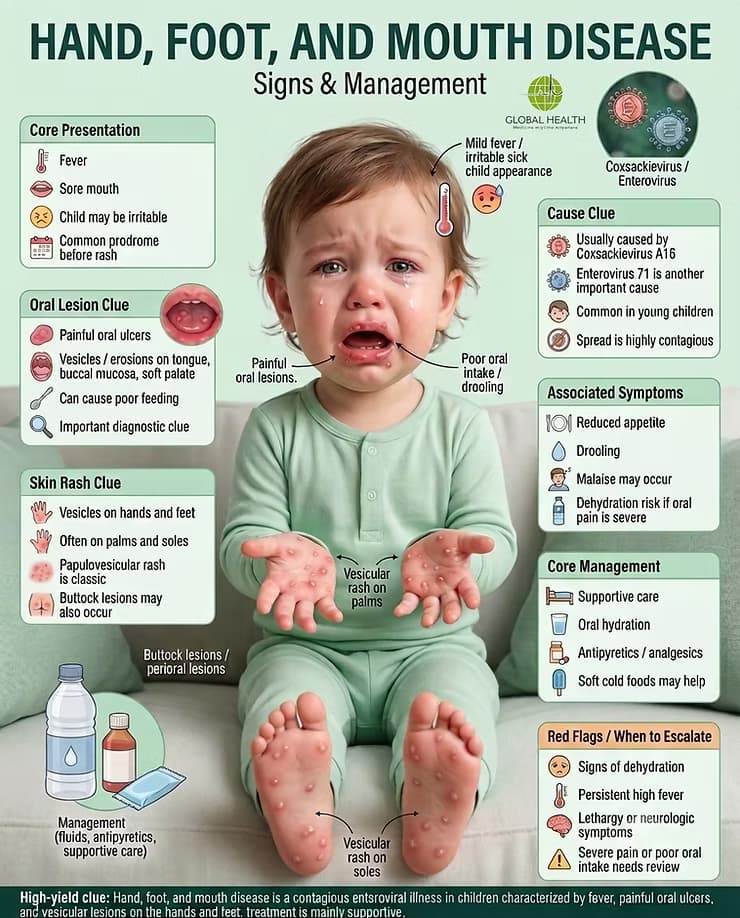
Your complete HSE-aligned guide to hand, foot and mouth disease in Irish children. Covers symptoms, treatment at home, when to go to A&E, and how to stop it spreading in
Read article